You want hair that feels healthy and looks good. Yet when you scan shop shelves, every bottle promises miracles and instant results. Trends come and go, new ingredients appear overnight, and it’s easy to feel unsure about what truly benefits your hair versus what simply offers temporary shine. In this post we look at; Building The Right Hair Care Routine For You.
The truth is, the best hair care routine doesn’t rely on owning dozens of products or following complicated steps. It begins with understanding how your hair reacts to daily life, humidity, brushing, detergents, heat styling, and even the way you sleep. Once you recognise those patterns, choosing habits that genuinely support your hair becomes far easier.
So instead of chasing trends, what if you focused on building a routine designed specifically for you?

Collaborative post
Building The Right Hair Care Routine For You
Understanding What Your Hair Needs
Your hair type plays a major role in how it responds to moisture, cleansing, and styling. Straight hair often becomes oily more quickly because natural oils travel easily from root to tip. Wavy and curly hair, however, tends to feel drier since oils struggle to move through bends and coils. Tightly coiled or textured hair usually requires even more moisture and gentle handling to prevent breakage.
Your hair also communicates its needs through subtle signs. Brittle or splitting ends often indicate dehydration or excessive heat. Hair that looks dull or limp may be weighed down by product buildup. A tight, itchy, or flaky scalp can signal irritation, harsh cleansing, or an imbalance in moisture.
A simple but effective exercise is to observe your hair for one week without changing anything. Notice how it feels right after washing, the next morning, and by the end of the day. Does it lose volume quickly? Feel dry at the ends? Become greasy faster than expected? These observations help you decide whether to adjust your washing frequency, conditioning level, or styling habits.
Why Scalp Health Matters More Than You Think
Healthy hair starts with a healthy scalp. While many routines focus on the lengths and ends, the scalp is living skin that needs balance and care. Excess oil, dryness, or buildup can interfere with hair growth and overall comfort.
Massaging your scalp while shampooing increases blood circulation and helps remove debris. Using lukewarm water instead of hot prevents unnecessary dryness and irritation. If you use styling products frequently, clarifying every few weeks can remove residue without stripping essential oils.
If your hair feels thinner, shedding increases, or growth seems slow, supporting the scalp becomes especially important. Targeted treatments that nourish the roots can improve hair strength and density over time.
Choosing Products That Actually Work
You’ll see better results when you choose products that work with your hair’s natural behaviour rather than against it. A gentle shampoo cleanses sweat, oil, and pollution without stripping the scalp. This helps maintain comfort while protecting the hair’s natural moisture.
Conditioner does more than soften hair. It smooths the cuticle, reduces friction, and protects strands from breakage during brushing and styling. Apply it mainly to the mid-lengths and ends, where hair is older and more fragile.
If your hair feels weak or lacks fullness, you may benefit from including a hair growth serum in your routine, as this can provide extra nourishment directly to the scalp where new hairs form. These products deliver nourishing ingredients directly to the scalp, supporting healthier growth at the source rather than masking problems on the surface.
Leave-in conditioners, lightweight creams, or natural oils help maintain hydration between washes and shield hair from environmental stressors like sun exposure and pollution. Start with small amounts. Using too much product can weigh hair down and reduce movement.
Introducing products gradually allows you to see what truly makes a difference, saving both time and money.
Finding the Right Washing Balance
One of the most common hair care mistakes is washing too often. While cleanliness matters, excessive washing removes protective oils that keep both the scalp and hair healthy.
Fine or straight hair may need more frequent washing, while curly or textured hair often thrives with fewer washes. Instead of following rigid rules, pay attention to how your scalp feels. If it’s calm and balanced, your routine is likely working.
On non-wash days, refreshing sprays or light leave-ins can revive your style without disrupting your hair’s natural oils.
Pin It!
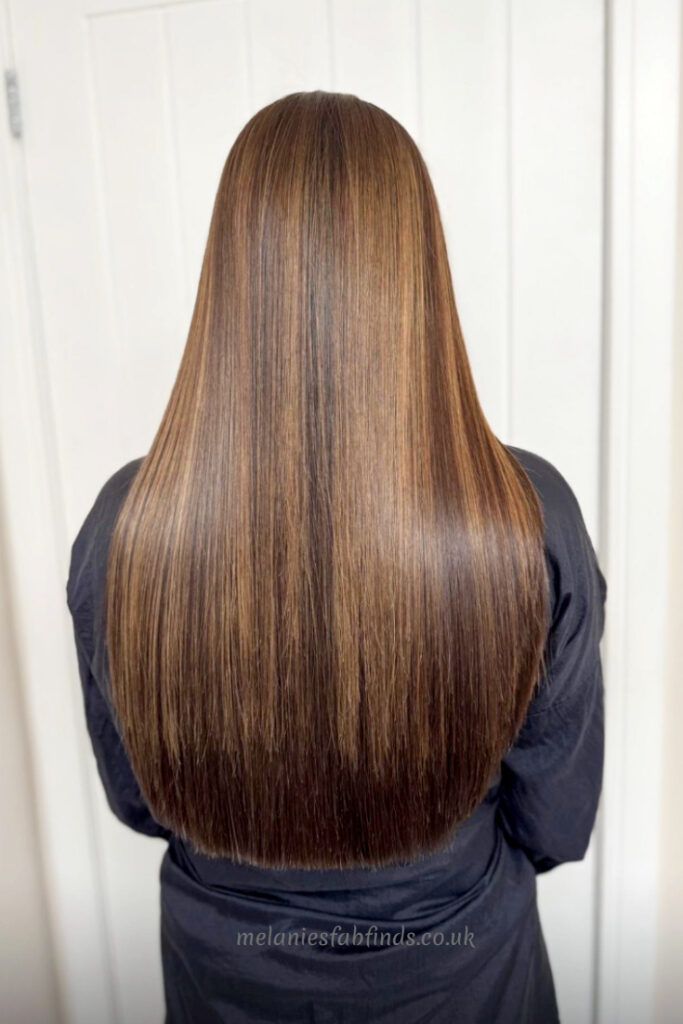
Styling Without Compromising Hair Health
Styling habits significantly impact long-term hair condition. Tight hairstyles, rough brushing, and high heat weaken strands over time. Using wide-tooth combs, detangling from the ends upward, and avoiding tension at the roots all help minimise breakage.
Heat styling should always include a heat protectant, but reducing heat exposure whenever possible makes an even bigger difference. Air-drying or using the lowest effective temperature helps preserve strength and shine.
Everyday Habits That Support Long-Term Hair Health
Hair care doesn’t stop at products. Daily habits shape your hair’s future. Sleeping on silk or satin pillowcases reduces friction, helping prevent frizz, breakage, and split ends. Wearing loose styles overnight also protects fragile strands.
Nutrition plays a key role in hair health. Hair relies on protein, iron, zinc, and healthy fats to grow strong. Hydration matters too. Dry hair often reflects a lack of water in the body.
Stress management is another overlooked factor. Ongoing stress can disrupt the hair growth cycle, leading to increased shedding. Prioritising sleep, movement, and relaxation benefits your hair as much as your overall wellbeing.
Remember, hair grows slowly. Meaningful improvements take time, often weeks or months. Consistency, not perfection, is what delivers lasting results.
A Routine That Fits Your Life
The most effective hair care routine is one you can maintain. Simple, consistent steps outperform complex routines that feel overwhelming. When your routine fits naturally into your lifestyle, caring for your hair becomes effortless.
Check in with your hair every few months. Seasonal changes, stress, or hormonal shifts may require small adjustments. Staying flexible ensures your routine continues to support your hair as your needs evolve.
Healthy hair isn’t about chasing perfection, it’s about understanding, patience, and care.
I hope you enjoyed reading my post; Building The Right Hair Care Routine For You.
Are you caring for your hair based on trends, or on what it actually needs?
Enjoyed this Post?
Subscribe to Melanie’s Fab Finds RSS feed to see my latest posts. Posts will include recipes, reviews, etc. and as a result, you will hear about my new posts and competitions first!
Watch our fab product reviews on YouTube x

Discover more from Melanie's Fab Finds
Subscribe to get the latest posts sent to your email.
Really interesting reading. I suffer from a dry, sensitive scalp so think, after reading this, that I am going to go for a much gentler shampoo and conditioner. I was making the mistake of buying more expensive brands. Also, on the point of nutrition, including zinc. I have been taking vitamin C + zinc all winter and have noticed that my hair is in better condition and now am wondering if the zinc is helping.
That makes a lot of sense. With a dry, sensitive scalp, gentler shampoos often work better than expensive or heavily fragranced ones.
Zinc does support scalp and hair health, so it’s quite possible it’s contributing to the improvement you’ve noticed, especially alongside vitamin C.
I have quite dry hair. Its condition has definately changed as I got older. Much thinner. This has been a very informational read, Thank you.
Our hair does change as we get older. I’m glad you found the post interesting.
Really appreciated the reminder that scalp health is living skin, so massage while shampooing and use lukewarm water. I’m guilty of hot rinses; have you found monthly clarifying helps too?
Massaging the scalp is really important and helps boost circulation to the area.
I LOVE that you included scalp care in this. So many people forget that the scalp is the foundation for beautiful hair. The folicles are in your scalp, after all!
Yes, omg. It is so often overlooked!!!! I hope this helps increase awareness and help those that need to develop a good hair care routine x
My mom was a hairdresser for 40 years, and I learned so much there. The products you use depend on the texture of your hair to get the best feel. Great post.
That’s right, sometimes you need to try a few different ones to find one that suits your needs.
This is such a great read and such an important topic, hair care is vital to keeping your hair healthy especially as we get older. Especially like Beth stated many people overlook nourishing the scalp, your scalp is the foundation to keeping your hair health.
Hair care is very important. Finding the right products to use on the hair, sleep on, the right nutrition all work together to improve how it looks and feels.
I really need to up my haircare game. I’ve nailed my skincare routine, with a less is more apporach, and I think this year I need to do the same with my hair. Like you said I don’t think I need 101 different products, I just need to find something that works for me. Annoyingly myself and my daughter have very different hair types, so I feel like once I’ve nailed mine, I’ve got her’s to tackle too. Haha! Your hair looks wonderufl btw. That’s the level of shine I want!!
I hope that you can find products suitable for each of you. Healthy, shiny hair is what we all want and the right products for you will get you there xxx
There are tons of hair-care products out there promising miracles, only to buy them and realize they don’t work. These tips are super helpful!
There certainly are. We need to look at ingredients especially when purchasing.
Your hair is beautiful and so healthy! Thank you for sharing! I can’t wait to try your tips
I am glad you liked the post x
It is important to take a good care on our hair because it something that other people looks to add in your personality and character as a human.
Our hair is a feature many will take note of so if we feel confident in how it looks and feels it helps boost us.
Taking care of your hair and scalp is so important! Thank you for sharing these tips for a good routine.
I hope you found the information helpful.
I agree you need to understand your hair type before you can treat it. Great post and ideas!
It does make a big difference.