Pros and Cons of Silicone Face Masks
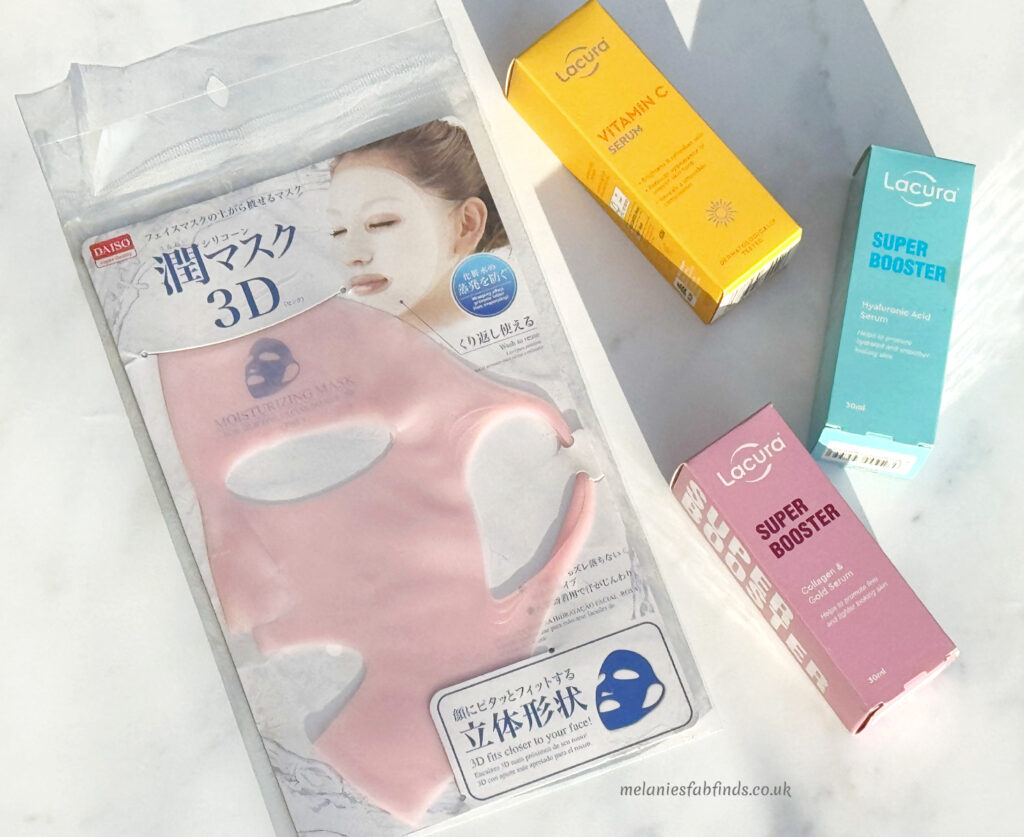
Silicone face masks have become a popular skincare accessory, with countless beauty influencers and skincare enthusiasts praising their ability to enhance the effectiveness of serums, moisturisers, and sheet masks. Unlike disposable masks, reusable silicone masks promise a more sustainable and cost-effective way to lock in hydration while reducing product waste. However, many people still ask an important question: Are silicone face masks actually safe, or could they be harmful? For this reason, in this post we explore the Pros and Cons of Silicone Face Masks.
The answer depends on several factors, including the quality of the silicone, how you use the mask, and how well you maintain it. While medical-grade silicone is generally regarded as safe, poor-quality products or improper cleaning can cause skin irritation or introduce bacteria.
In this guide, you’ll discover the advantages and disadvantages of silicone face masks, learn whether silicone is toxic, understand who benefits most from these reusable masks, and find out whether they’re worth adding to your skincare routine.
What Is a Silicone Face Mask?
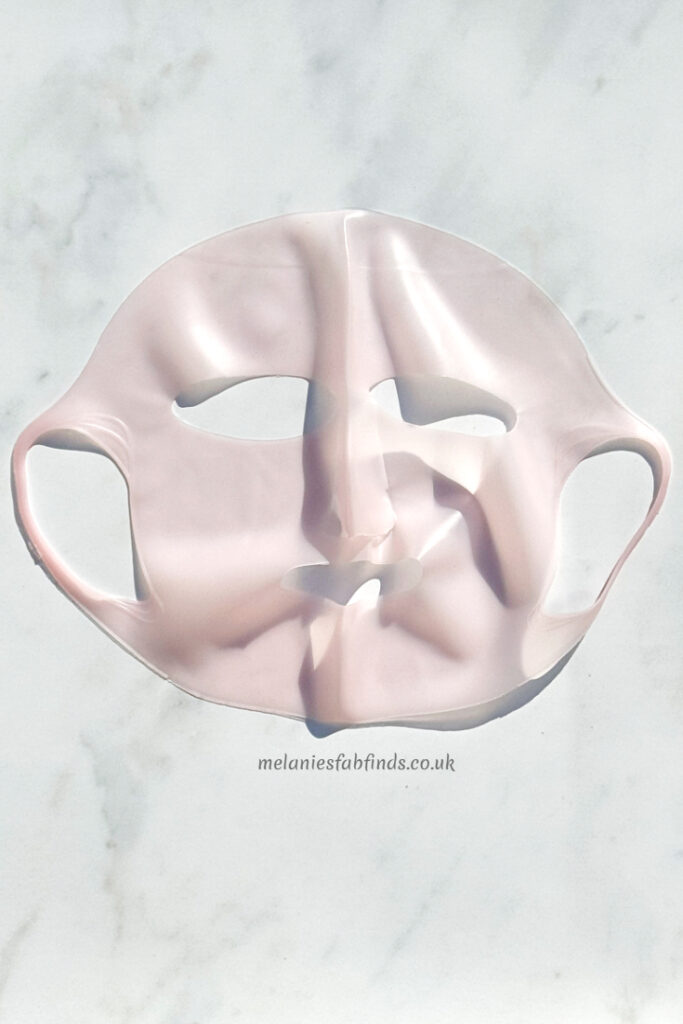
A silicone face mask is a reusable facial covering made from flexible silicone. Instead of containing skincare ingredients like a traditional sheet mask, it works by trapping moisture against the skin.
Most people wear silicone masks over:
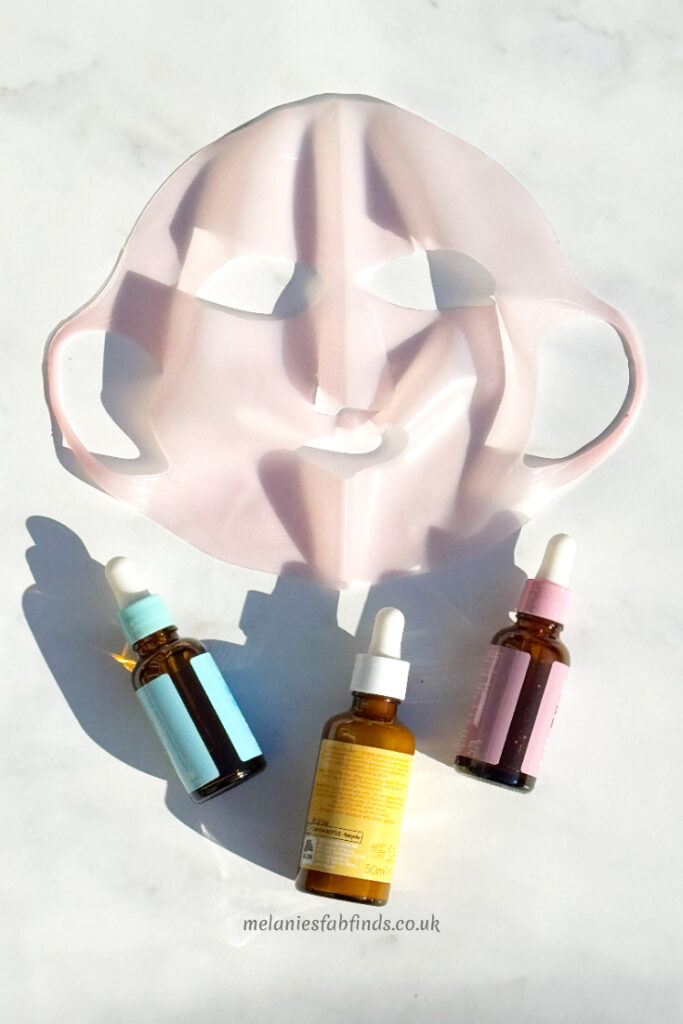
Hydrating serums
Overnight moisturisers
Sheet masks
Treatment creams
Barrier repair products
Because silicone creates a seal over the skin, it slows moisture evaporation. As a result, active ingredients remain on the skin longer, allowing greater absorption.
Are Silicone Face Masks Safe?
Yes, high-quality medical-grade silicone face masks are generally considered safe for most skin types.
Silicone has been used for decades in medical devices, scar treatments, and cosmetic products because it is:
Non-reactive
Latex-free
Non-toxic
Flexible
Durable
Resistant to bacteria when cleaned correctly
Unlike some plastics, silicone does not easily break down or release harmful chemicals under normal skincare conditions.
However, safety depends on buying reputable products made from food-grade or medical-grade silicone rather than unknown, low-quality materials.
Are Silicone Face Masks Toxic?
One of the biggest concerns consumers have is whether silicone releases harmful chemicals.
Current scientific evidence suggests that medical-grade silicone is not considered toxic for topical skincare use.
Unlike certain plastics that may contain BPA or phthalates, high-quality silicone typically does not contain these chemicals.
Silicone is also:
Odourless
Stable at normal temperatures
Chemically inert
Resistant to degradation
Problems usually arise from counterfeit or poorly manufactured products rather than silicone itself.
For that reason, purchasing from trusted skincare brands remains the safest choice.
Pin It!
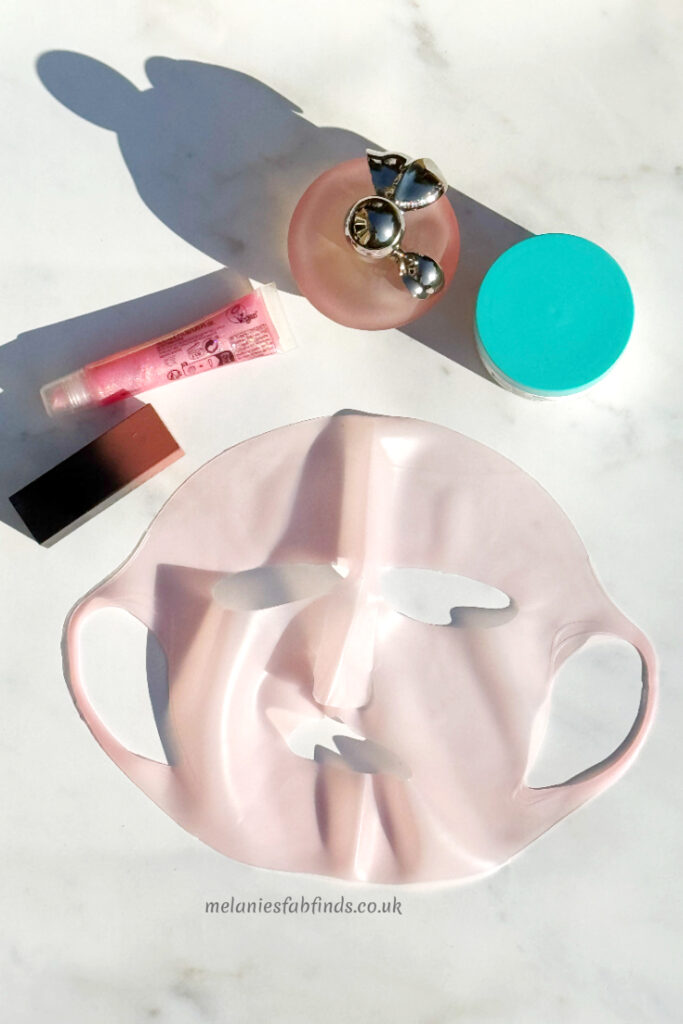
Benefits of Silicone Face Masks
Better Moisture Retention
One of the biggest benefits is improved hydration.
Silicone forms an occlusive barrier that reduces water loss from the skin. Consequently, moisturisers and serums remain effective for longer instead of evaporating quickly.
People with dry or dehydrated skin often notice softer skin after consistent use.
Improve Skincare Product Performance
Expensive serums deserve every opportunity to work effectively.
Since silicone slows evaporation, ingredients such as hyaluronic acid, peptides, and ceramides stay on the skin longer.
That means you may gain more value from products you already own.
Reusable and Eco-Friendly
Traditional sheet masks create unnecessary waste after every use.
Silicone masks can last for months or even years with proper care.
Therefore, they help reduce:
Packaging waste
Single-use plastics
Long-term skincare costs
Cost Effective
Although silicone masks cost more initially, they quickly become economical.
Instead of purchasing disposable masks every week, one reusable mask may replace dozens of sheet masks throughout the year.
Comfortable Fit
Most silicone masks stretch comfortably around the face using ear loops.
Unlike paper masks, they rarely slide around while walking, reading, or relaxing.
This secure fit also improves contact between skincare products and your skin.
Disadvantages of Silicone Face Masks
They Do Not Contain Active Ingredients
Many first-time buyers expect silicone masks to work like sheet masks.
However, silicone masks contain no skincare ingredients.
Instead, they simply help the products underneath perform more effectively.
Require Regular Cleaning
Cleaning is essential.
Without proper washing, leftover oils, skincare residue, and bacteria may accumulate.
Ideally, wash your mask after every use using warm water and gentle soap before allowing it to air dry completely.
Can Feel Warm
Some people dislike the occlusive feeling.
Because silicone traps moisture, the skin may feel warmer after twenty to thirty minutes.
Individuals living in hot climates may find this uncomfortable.
Not Suitable for Everyone
People with severe acne, infected skin, open wounds, or certain dermatological conditions should seek professional advice before prolonged occlusive treatments.
Although silicone itself rarely causes irritation, trapping bacteria beneath the mask could worsen existing skin problems.
Silicone Face Mask Pros and Cons
Pros
Improves hydration
Reusable for months
Eco-friendly
Helps skincare absorb better
Comfortable fit
Easy to clean
Long-lasting
Suitable for most skin types
Cons
Requires cleaning after every use
Contains no skincare ingredients
Can feel warm
Poor-quality products may irritate sensitive skin
Not recommended over infected or broken skin
Pin It!
How to Use a Silicone Face Mask Correctly
To achieve the best results:
Cleanse your face thoroughly.
Apply your favourite serum or moisturiser.
Place the silicone mask over your skincare products.
Leave it on for 15 to 30 minutes.
Remove the mask.
Massage any remaining product into your skin.
Wash and dry the mask before storing it.
Consistency matters more than wearing it for extended periods.
Who Should Use Silicone Face Masks?
Silicone face masks work particularly well for people with:
Dry skin
Dehydrated skin
Mature skin
Damaged skin barriers
Winter skincare routines
Expensive serums they want to maximise
Those with oily or acne-prone skin can still use them, but lighter products generally work best.
Are Silicone Face Masks Worth Buying?
For many skincare enthusiasts, the answer is yes.
A reusable silicone mask can improve the performance of existing skincare products without adding another expensive serum to your routine.
It also reduces waste, lasts significantly longer than disposable masks, and offers excellent long-term value.
Nevertheless, expectations should remain realistic.
Silicone masks cannot replace high-quality skincare. Instead, they enhance the products already in your routine.
Frequently Asked Questions
Can you use a silicone face mask every day?
Yes. Most people can safely use one several times each week or daily, provided they clean it thoroughly after every use.
Can silicone clog pores?
Silicone itself is generally non-comedogenic. However, using heavy products underneath may contribute to clogged pores in some individuals.
How long do silicone face masks last?
A quality silicone mask may last six months to several years depending on use and maintenance.
Can I wear one overnight?
Some manufacturers recommend overnight use, while others suggest limiting wear to around 30 minutes. Always follow the product instructions.
Is medical-grade silicone better?
Yes. Medical-grade silicone typically offers higher safety standards, better durability, and lower risk of irritation than cheaper alternatives.
Pin It!
Finally
Silicone face masks are not miracle skincare products, but they can become a valuable addition to a well-designed skincare routine. Their greatest strength lies in helping serums, moisturisers, and treatment creams remain in contact with the skin for longer, which may improve hydration and enhance the performance of your existing products.
Choosing a high-quality, medical-grade silicone mask, cleaning it after every use, and pairing it with suitable skincare products will help you get the best results. While they may not suit everyone, particularly those with active skin infections or who dislike an occlusive feel, they offer an eco-friendly, reusable alternative to disposable sheet masks for many users.
If your goal is healthier-looking, better hydrated skin without constantly buying single-use masks, a silicone face mask could be a worthwhile investment.
I hope you enjoyed reading my post: Pros and Cons of Silicone Face Masks.
Have you tried a silicone face mask, or are you thinking about adding one to your skincare routine?
Other Posts you Might Like:
Holiday Beauty Essentials: What You Really Need to Pack
Vegetarian Collagen Support: Foods and Nutrients
The Modern Woman’s Shortcut to Flawless Hair
Collagen Explained: Benefits, Sources, Types and How Long It Takes to Work
Everyday Essentials Every Woman Needs
Everyday Essentials That Make Life Easier
10 Foods That Help Reduce Stomach Fat Naturally (Science-Backed)
Enjoyed this Post?
Subscribe to Melanie’s Fab Finds to see my latest posts. Posts will include recipes, reviews, etc. and as a result, you will hear about my new posts and competitions first!
Watch our fab product reviews on YouTube x

Discover more from Melanie's Fab Finds
Subscribe to get the latest posts sent to your email.
Nice – the moisture-sealing benefit for serums and moisturizers is the strongest point. Choosing medical-grade silicone and cleaning thoroughly after each use seems key to avoiding the potential downsides.
Yes, a good quality product makes all the difference. These can help boost moisture and product absorption