Have you ever purchased a beautifully packaged serum, used it for a month, and noticed absolutely zero change in your skin? You are definitely not alone. For years, the beauty industry relied heavily on massive marketing budgets, celebrity endorsements, and vague promises like “youth-restoring” or “glow-inducing.”
Today, a permanent shift shapes consumer habits. Consumers have begun to bypass flashy brand names and instead search for exact, clinical-grade chemical compounds. The modern market belongs to the “skincare scientist,” where everyday beauty enthusiasts know exactly what molecules they want to put on their faces.
Science-Backed Ingredients Dominating the Beauty Industry
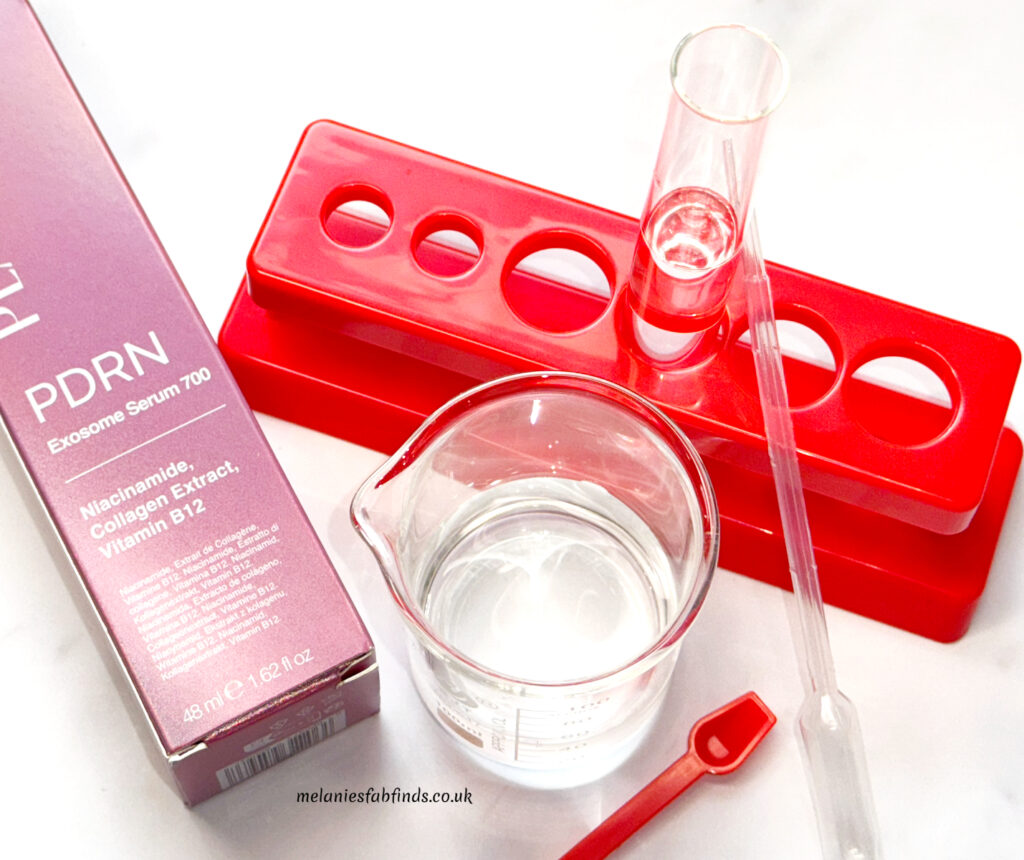
Moving Beyond the Brand
To achieve real results, you must look past basic hyaluronic acids. High-performance skincare focuses heavily on cellular repair, biological barrier defense, and medical-grade recovery. This blog post dives deep into the high-performance ingredients that define the modern beauty space, explains the exact science behind how they work, and reveals how you can safely integrate them into a daily routine.
Why Cellular Repair Relies on Salmon DNA (PDRN)
The Science of PDRN Serums and Creams
First on the list is one of the most significant breakthroughs in cellular skin repair: PDRN (Polydeoxyribonucleotide). While it might sound like an intimidating chemical acronym, this ingredient actually derives directly from salmon DNA.
Scientists discovered that salmon DNA closely matches human DNA structure. When applied topically,
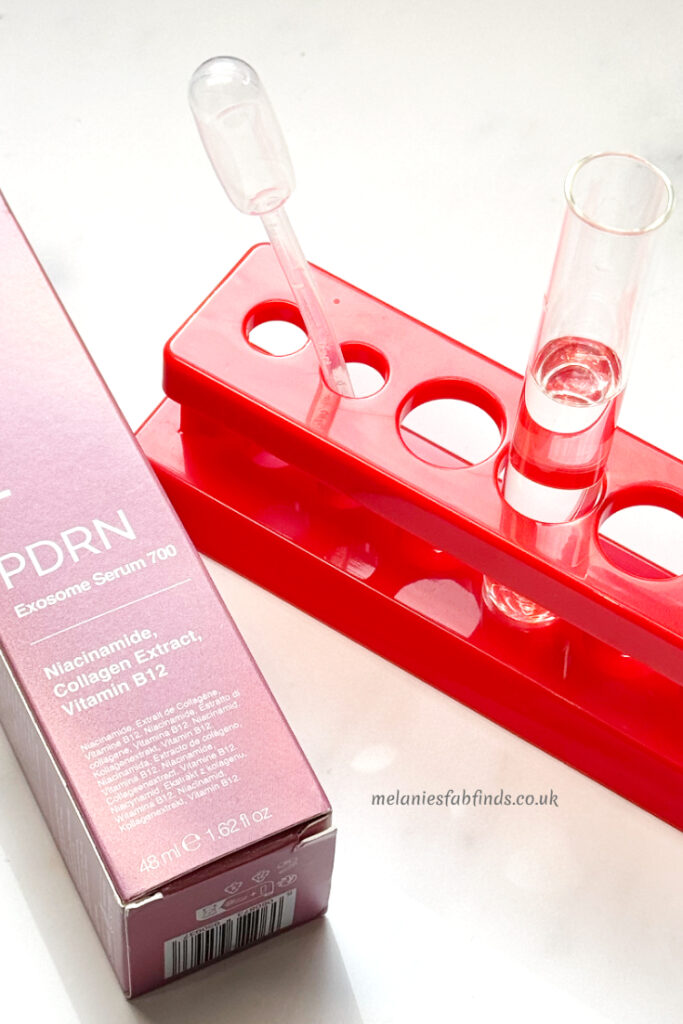
PDRN acts as a powerful bio-stimulator. It enters the skin cells and triggers rapid tissue regeneration, drastically accelerating the wound-healing process.
The Visible Benefits of Salmon DNA
Because PDRN works at a deep cellular level, it provides benefits that surface-level moisturizers simply cannot match. First, it stimulates the skin to produce its own collagen and elastin. Second, it calms intense inflammation, making it incredibly effective for anyone dealing with stubborn acne scars, hyperpigmentation, or damage from over-exfoliation. If your skin barrier feels chronically compromised, PDRN actively rebuilds it from the inside out.
Pin It!
How Ectoine Acts as the Ultimate Environmental Barrier Defender
What is Ectoine and Where Does It Come From?
While salmon DNA handles internal repair, another ingredient serves as the gold standard for external skin protection: Ectoine. This molecule is an extremolyte, which means it is a natural substance produced by microorganisms that survive in the world’s most extreme environments, such as salt lakes and scorching deserts.
To survive these harsh conditions, these microorganisms use ectoine to form a protective shield around their cellular structures. When adapted for skincare, ectoine brings that exact same survival mechanism straight to human skin.
Ectoine vs. Hyaluronic Acid
Many people confuse ectoine with hyaluronic acid because both substances excel at hydration. However, ectoine offers a much broader spectrum of protection.
Hyaluronic Acid: Pulls moisture from the surrounding environment into the skin. It works perfectly in humid climates, but can actually dry out skin if the air is extremely dry.
Ectoine: Surrounds skin cells with a physical, protective water jacket. This jacket locks moisture in tightly and simultaneously blocks out destructive environmental stressors like pollution, heavy blue light, and UV radiation.
As a result, ectoine acts as a soothing powerhouse. It stops the inflammatory cascade before it even begins, making it a mandatory ingredient for urban dwellers.
Pin It!

Dermatology-Grade Actives: The Sustained Success of Tretinoin and Azelaic Acid
Why Consumers Prefer Tretinoin Over Retinol
For a long time, over-the-counter retinol dominated the anti-aging market. However, experienced consumers frequently skip the weak over-the-counter versions and go straight to the source. Global data shows an enormous, steady interest in Tretinoin, a prescription-strength retinoic acid.
The Multi-Tasking Power of Azelaic Acid
Alongside tretinoin, Azelaic Acid is as a popular multi-tasker. Originally prescribed primarily for rosacea, this dicarboxylic acid maintains mainstream popularity because it is able to target multiple skin concerns all at once.
Azelaic acid gently exfoliates inside the pores to prevent breakouts, kills acne-causing bacteria, and acts as a powerful tyrosinase inhibitor. This means it actively stops the production of excess melanin, effectively erasing dark spots and melasma without bleaching the surrounding healthy skin.
How to Create a Data-Driven Skincare Routine
Layering Your Clinical Ingredients Safely
When you begin experimenting with these potent, dermatology-grade ingredients, you must layer them strategically to avoid severe irritation. Introducing too many active molecules at once will inevitably damage your skin barrier.
PDRN (Salmon DNA)
This is primarily for cellular repair and scar healing. It can be used morning and night and works well paired with Niacinamide and Hyaluronic Acid.
Ectoine is ideal for barrier protection and can be used morning an night. It is best used with Vitamin C and Sunscreen.
Tretinoin’s main purpose is cellular turnover and anti-ageing. This is for night time use only and works well with heavy ceramides.
Azelaic Acid is perfect for redness reduction and for fading dark spots. It can be used both morning and at night. It pairs well with salicylic acid when used with caution.
A Step-by-Step Routine
To maximize your results, try this balanced routine:
Morning Routine:
Cleanse your face with a gentle, non-stripping wash. Apply a lightweight PDRN serum to kickstart cellular repair. Follow immediately with an ectoine-infused moisturizer to shield your face from daily pollution. Always finish with a broad-spectrum sunscreen.
Evening Routine:
Cleanse thoroughly to remove makeup and pollution. On dry skin, apply your Tretinoin or Azelaic Acid (alternate nights to prevent irritation). Wait ten minutes, then apply a rich barrier cream to lock in the treatment and soothe the skin while you sleep.
Pin It!
The Future of Ingredient-Led Beauty
The beauty landscape is permanently evolving. Consumers no longer buy into vague marketing hype. Instead we demand proven, biological results. By understanding the specific science behind ingredients like PDRN, ectoine, tretinoin, and azelaic acid, you can completely customise your routine based on data rather than guesswork.
Take control of your skincare by looking at the ingredient list first, and watch your skin transform!
Which of these advanced clinical ingredients are you most excited to add to your daily skincare routine, and what specific skin concern are you hoping to fix?
Other Posts You Might Like:
Adding Blonde Highlights Without Bleach: The Clip-In Hair Extension Method
Lacura Multi-Peptide Moisturiser Review
Vegan Collagen Support
Pros and Cons of Silicone Face Masks
Vegetarian Collagen Support: Foods and Nutrients
Honest Review of Medik8 Exo-PDRN Prismatic+ Youthful Vitality Serum
The Modern Woman’s Shortcut to Flawless Hair
Collagen Explained: Benefits, Sources, Types and How Long It Takes to Work
10 Foods That Help Reduce Stomach Fat Naturally (Science-Backed)
Enjoyed this Post?
Subscribe to Melanie’s Fab Finds RSS feed to see my latest posts. Posts will include recipes, reviews, etc. and as a result, you will hear about my new posts and competitions first!
Watch our fab product reviews on YouTube x
Disclaimer: This post is for informational purposes only and is not a substitute for professional medical advice. Always consult with your GP or a qualified health provider before making changes to your diet, exercise routine, or starting any internal or external treatments.

Discover more from Melanie's Fab Finds
Subscribe to get the latest posts sent to your email.


I’m so happy to see this. There’s been too much snake oil out there for my taste. Let’s get back to what works!
Yes, exactly. Consumers want effective products rather than expensive that may or may not work.
I have to say, it’s nice to see some new products that aren’t advertised as the tears of angels or gold-laced unicorn horn powder. It’s getting ridiculous out there.
ha, it can be a bit overwhelming – although there are many natural products with more than one name – some can be more unusual than others.
Oh wow, this is fascinating. I had no idea. I prefer a serum that is backed by science, not a celebrity. I can’t wait to try more of these products to see how it works for my skin.
Me too. You’ll find that the ingredients mentioned here are growing rapidly in popularity!
I liked the focus on looking at what is actually inside our beauty products. There are so many ingredients talked about online that it can be hard to know what is really worth trying!
I know, it’s hard to work out what is best and not just overly hyped.
I’ve learned a lot of great beauty tips from this post as well. i need to consider these when purchasing beauty products in the future.
I’m so glad to hear that xxx
I need to get my hands on ectoine – this would be great for my skin! Also, I have never heard about using salmon DNA before; that sounds super interesting and I have to look more into it!
You can find beauty products with salmon DNA x
My skin is super dry, so I would love to try how ectoine works for my skin, it seems it’s more effective than hyaluronic.
It might be perfect for you especially over the colder months. Definitely worth a try!
I love the focus on looking past pretty packaging and paying attention to what’s actually in our skincare. There are so many ingredients to keep up with, so this is a helpful topic!
Knowing what works is important!!!
Wait, salmon as in the fish?! I’ve never heard that before. Science is so amazing, there’s so much they can figure out and I love that things are always improving.
Ha, I know. Who’d have thought!!!
Reading ingredient labels carefully prevents buying useless bottles of serum. Understanding active compounds helps everyone choose effective treatments for daily skincare routines.
Exactly, we want products that work x
Oh wow, the ectoine versus hyaluronic acid point is the useful one: HA can pull moisture out in dry air, while ectoine wraps the cell. Alternating tretinoin and azelaic acid at night also sounds safer than stacking them.
It helps to know how they work so you know which is best for you.