Tooth pain has a way of disrupting everyday life. A simple meal becomes uncomfortable, hot drinks cause sharp sensitivity, and even speaking can become difficult when the pain gets worse. While some dental problems affect the outer layers of a tooth, others develop much deeper. In these cases, endodontic treatment can help remove infection, relieve discomfort, and preserve your natural tooth. In this post, we delve into Understanding Endodontic Treatment: Signs You Need a Root Canal.
Ignoring symptoms such as persistent tooth pain or swelling can allow an infection to spread. Early treatment not only improves comfort but also reduces the risk of more complex dental procedures later.

Collaborative post
Understanding Endodontic Treatment: Signs You Need a Root Canal
What is Endodontic Treatment?
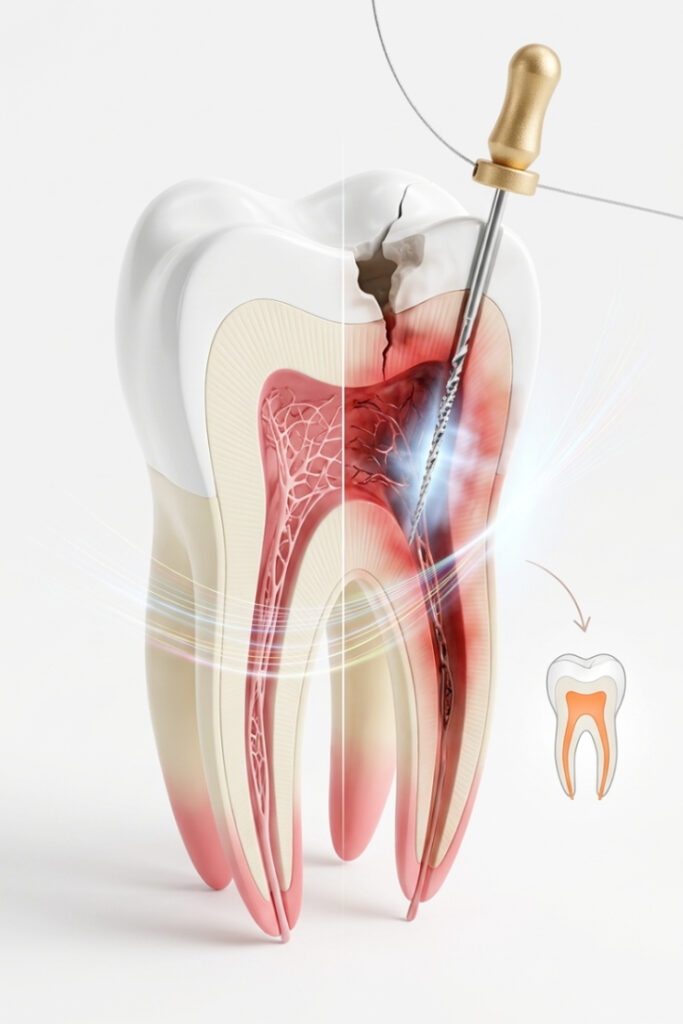
Endodontic treatment focuses on treating problems inside the tooth. Beneath the hard enamel and dentine lies the dental pulp, which contains nerves, blood vessels, and connective tissue. When this soft tissue becomes inflamed or infected, treatment may be needed to prevent further damage.
When symptoms become severe or develop suddenly, seeking an emergency dentist in Purley can help identify the cause and determine whether urgent endodontic treatment is necessary. Early assessment is particularly important when tooth pain is accompanied by swelling or signs of infection.
An endodontic specialist has advanced training in diagnosing and treating conditions affecting the inside of the tooth. While many general dentists perform root canal treatment, more complicated cases involving curved root canals, dental trauma, or previous unsuccessful treatment may be referred to a specialist.
The most common type of endodontic treatment is root canal therapy. This procedure removes infected tissue, cleans the root canals thoroughly, and seals them to reduce the risk of further infection.
What Causes the Need for Endodontic Treatment?
Several dental problems can lead to infection inside a tooth. Deep tooth decay is one of the most common reasons patients require care. As decay progresses, bacteria can reach the pulp, causing inflammation and pain.
Cracked teeth may also require endodontic treatment if a fracture allows bacteria to enter the tooth. Even a crack that appears minor can expose the pulp to infection over time.
Repeated dental treatment on the same tooth can irritate or damage the pulp. Likewise, dental trauma from sports injuries or accidents may affect the nerve even if no visible crack appears.
In some cases, advanced gum disease and tooth infection can occur together, affecting both the supporting tissues and the inside of the tooth.
Understanding these causes helps patients recognise why early dental examinations matter, especially when discomfort persists despite routine oral care.
Common Signs You May Need Endodontic Treatment
Persistent tooth pain and severe toothache
Ongoing tooth nerve pain may signal inflammation or infection inside the pulp. The discomfort can come and go at first before becoming constant.
Some people experience pain that spreads into the jaw, ear, or neighbouring teeth, making it difficult to identify the exact source without a professional examination.
Persistent Tooth Sensitivity
Sensitivity to hot or cold foods is common, but it usually disappears shortly after the stimulus is removed. If discomfort lingers, it could indicate an inflamed dental pulp or an infected tooth nerve.
Pain When Biting, Swelling and Dental Abscesses
Pain when biting may indicate inflammation around the tooth root, a crack, or another dental problem. Swollen gums, tenderness, or a pimple-like swelling on the gum can point to a dental abscess.
These symptoms require prompt assessment and appropriate tooth infection treatment.
Other Symptoms of an Infected Tooth
Other symptoms of an infected tooth can appear gradually or develop quickly. You may notice that the affected tooth becomes darker than the surrounding teeth or leaves an unpleasant taste in your mouth if infection starts to drain through the gum.
In advanced cases, swelling may extend into the face or jaw. Facial swelling accompanied by difficulty breathing or swallowing requires immediate emergency medical attention.
What Happens During Root Canal Treatment?
Modern root canal treatment aims to eliminate infection and relieve pain while preserving the affected tooth.
Your dentist or endodontist begins by numbing the affected area. Once the tooth is comfortable, a small opening is created to access the infected pulp.
The infected tissue is carefully removed before the root canals are cleaned, shaped, and disinfected. The canals are then filled and sealed to reduce the risk of bacteria returning.
Depending on the condition of the tooth, a crown may later be recommended to restore strength and function.
Patients often ask, “Is root canal treatment painful?” With modern local anaesthetic techniques, treatment is generally manageable, although some discomfort may occur during recovery.
When Do You Need a Root Canal Instead of a Tooth Extraction?
One of the biggest decisions patients face is whether to save an affected tooth or remove it.
Whenever possible, preserving natural teeth offers long-term advantages. Natural teeth support chewing function, maintain the bite, and help preserve the surrounding jawbone.
Root canal therapy can save teeth that might otherwise require extraction. However, some teeth cannot be restored because of extensive decay, severe fractures, or inadequate supporting structures.
When a tooth cannot be saved, replacement options such as dental implants may help restore chewing function and replace missing teeth. Dental implants provide a fixed replacement option, although suitability depends on factors such as oral health, bone availability, and individual treatment needs.
An endodontic assessment can help determine whether root canal treatment is a suitable alternative to extraction. The decision should consider the tooth’s condition, expected long-term function, and available restorative options.
Pin It!
What to Expect After Endodontic Treatment
Most patients recover well after treatment. Mild soreness for a few days is common.
Following root canal aftercare instructions helps support healing. Your dentist may recommend avoiding hard foods on the treated tooth until a permanent restoration has been completed.
Maintaining good oral hygiene also plays an important role in preventing future dental problems. Brushing twice daily with fluoride toothpaste, cleaning between teeth, and attending regular dental examinations.
If swelling increases, severe pain returns, or the tooth feels unusually high when biting, contact your dentist promptly for further assessment.
When Should You See An Endodontic Specialist?
Some dental conditions require specialist endodontic treatment because they are more complex than routine cases.
An endodontic consultation may be recommended if a previous root canal procedure has not been successful, or when a tooth has unusually curved or narrow root canals that require advanced techniques.
Specialist care may also be appropriate if an infection continues despite earlier treatment or if dental trauma has damaged the pulp. Teeth at the front of the mouth may require careful treatment to preserve both function and appearance, while infected molars can present additional challenges because of their complex root structures.
Seeking specialist dental care early can improve the chances of preserving a tooth that remains suitable for restoration.
Why Endodontic Treatment Can Help Preserve Your Natural Teeth
Endodontic treatment does more than relieve tooth pain. It removes infected or inflamed pulp, helps protect the surrounding tissues, and can allow a damaged natural tooth to remain functional for many years.
If you are experiencing persistent tooth pain, swelling, sensitivity, or other symptoms of an infected tooth, arranging an early assessment can help identify the problem before further complications develop.
Not every toothache requires root canal treatment, but persistent symptoms deserve professional attention. A dentist can examine the affected tooth, explain the findings, and recommend the most suitable treatment.
For patients considering endodontic treatment in Purley, booking a consultation with Foxley Lane Dental is a practical step towards understanding their options, addressing dental discomfort, and protecting their long-term oral health.
I hope you enjoyed reading my post, Understanding Endodontic Treatment: Signs You Need a Root Canal.
Have you ever needed a root canal?
Other Posts You Might Like:
Expert Autumn Skincare Routine Swaps for Radiant Skin
Science-Backed Ingredients Dominating the Beauty Industry
Adding Blonde Highlights Without Bleach: The Clip-In Hair Extension Method
Lacura Multi-Peptide Moisturiser Review
Pros and Cons of Silicone Face Masks
Enjoyed this Post?
Subscribe to Melanie’s Fab Finds RSS feed to see my latest posts. Posts will include recipes, reviews, etc. and as a result, you will hear about my new posts and competitions first!
Watch our fab product reviews on YouTube x

Discover more from Melanie's Fab Finds
Subscribe to get the latest posts sent to your email.
My husband had to get an emergency appointment recently for bad tooth pain. He had to have a root canal done. It was great that he managed to get it done very quickly!
That is lucky as he must have been in a lot of pain. Glad he was treated quickly!
I always find dental treatments a little less intimidating when I understand what actually happens during the procedure. Root canal treatment sounds scary to many people, but knowing how it helps save a natural tooth makes a big difference!
It certainly does. I think when things are unknown they can be far more intimitaing.
I’ve had a root canal. It saved my tooth, and it wasn’t as bad as people say it is. If your dentist is good, your root canal will be good!
Yes, a good dentist can make all the difference.
I’ve never had a root canal before, but reading this makes it feel far less scary. I’d much rather have one than have my tooth pulled.
It does help to know about the procedure as the worst part is not knowing and worrying about it.
I actually need a root canal right now, but I’ve been putting it off. I think after reading this that it’s time.
I’m so glad I helped you decide. Hope the pain eases up once it’s done Jill x
Dental treatment can feel intimidating when you’re unsure what to expect. I always appreciate having the steps explained in plain language and time to ask questions. Understanding what’s involved can make the conversation with your dentist feel much less overwhelming.
It certainly can and they are always happy to explain procedures to help ease worry x
“Endodontic treatment” sounds like such a complicated term! It’s helpful to learn what these dental procedures involve before you ever need one. Knowing what questions to ask at an appointment can make a difference.
Knowledge of these things can make a big difference!
Thank you so much for the very helpful information, no one explained this to me like you just did, very very clear. Thanks a lot.
I’m glad you found the post helpful Carrie x
This was so insightful, and I will keep these symptoms in mind. Hopefully I won’t need a root canal anytime soon!
Let’s hope not Natalie x
Oh gosh, this would be my worst nightmare. I cannot stand going to the dentist–I tend to get panic attacks. If I ever am told I need a root canal, there’s a chance I could collapse on the spot.
Well at least now you know it isn’t as bad as people imagine it to be. That must be some comfort x