The British weather is constantly changing. One day brings bright sunshine and clear skies, the next delivers relentless rain and heavy winds. While we often joke about the unpredictability, the truth is far more serious: weather shapes how we feel, how we think, and how we behave especially when we are behind the wheel. From low mood during grey spells to heightened anxiety in storm conditions, the climate influences both emotional wellbeing and practical decision-making. When you understand how weather affects your mood and driving style, you gain back control. You make smarter decisions. Most importantly, you stay safer. In this post, we explore The Impact of Weather on Driving and Mental Health.
Collaborative post
The Impact of Weather on Driving and Mental Health
Why Weather Has a Powerful Effect on Your Mood
Weather doesn’t just determine what you wear. It directly influences brain chemistry, energy levels, and emotional stability. We often don’t consider The Impact of Weather on Driving and Mental Health but it is something that we should be aware of.
Sunlight, Serotonin, and Energy Levels
Bright sunlight boosts serotonin production, a hormone that supports feelings of wellbeing and calm. As a result, sunny days often increase motivation, productivity, and social interaction. You may feel more optimistic, more active, and more willing to make plans.
In contrast, prolonged grey skies and reduced daylight can lower serotonin levels. This shift often leads to fatigue, irritability, and reduced focus. During darker months, many people experience symptoms linked to Seasonal Affective Disorder (SAD), a recognised form of depression triggered by seasonal changes.
Because the UK experiences long winters and frequent overcast days, these mood shifts occur more often than we realise.
Rain and Emotional Fatigue
Extended periods of rain create more than inconvenience. They disrupt routines, reduce outdoor activity, and limit natural light exposure. Over time, this pattern drains energy and increases feelings of isolation.
Sudden weather swings can destabilise sleep cycles. Poor sleep then affects emotional resilience, making you more reactive, distracted, or anxious the next day.
Recognising these effects helps you respond proactively. For example:
Swap outdoor exercise for indoor workouts during storms.
Increase exposure to natural light where possible.
Maintain structured daily routines even when weather disrupts plans.
Prioritise sleep hygiene during darker months.
Small adjustments protect both mood and mental clarity.
How Weather Influences Decision-Making and Risk Behaviour
Weather subtly changes how people assess risk.
On bright, warm days, individuals often take more risks. Drivers may speed slightly more. Pedestrians may cross roads more casually. Cyclists may feel more confident in traffic. Good weather increases optimism but can also reduce caution.
Conversely, stormy or foggy conditions heighten perceived danger. People drive more slowly, grip the steering wheel tighter, and focus intensely on hazards. While caution improves safety, heightened anxiety can impair judgement and reaction times.
In other words, weather influences not just how we feel, but how we calculate risk.
The Rise of Weather-Related Driver Anxiety in the UK
Recent UK reports show a growing concern about road safety during severe weather. Around 30% of drivers report feeling unsafe in poor weather conditions, and women are statistically more likely to report anxiety when driving in rain or storms.
As storms intensify and rainfall increases across Britain, this anxiety continues to grow.
Why Severe Weather Triggers Driving Stress
Rain, fog, snow, and high winds create multiple stress factors:
Reduced visibility
Longer stopping distances
Increased likelihood of aquaplaning
Sudden debris or fallen branches
Flooded roads
Strong crosswinds on motorways
When several hazards appear simultaneously, drivers experience cognitive overload. The brain processes more variables at once, which increases mental strain.
If you already feel tired or emotionally low due to gloomy weather, this added stress compounds the problem.
Practical Ways to Reduce Weather-Related Driving Anxiety
You can lower stress significantly by preparing in advance:
Check forecasts before travel.
Inspect tyres, wipers, lights, and brakes regularly.
Allow extra travel time to remove pressure.
Avoid unnecessary journeys during severe weather warnings.
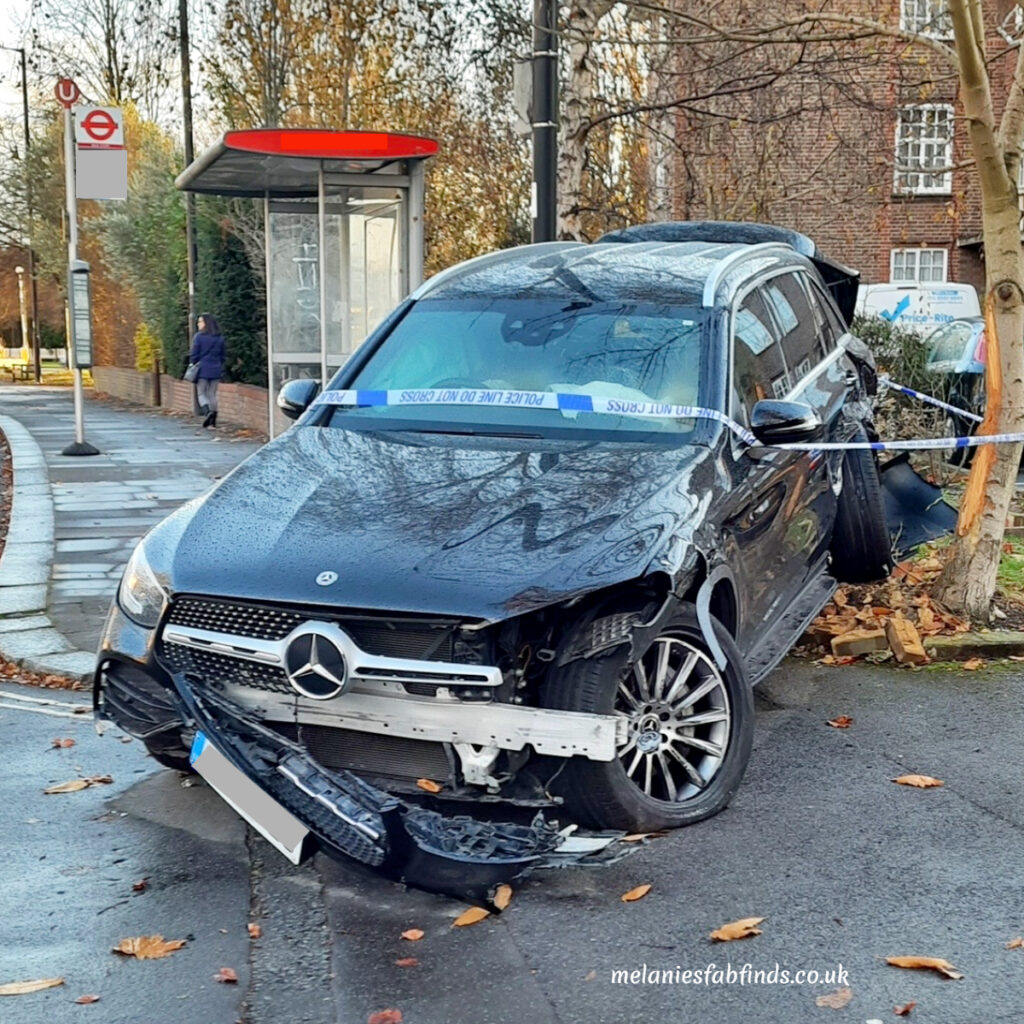
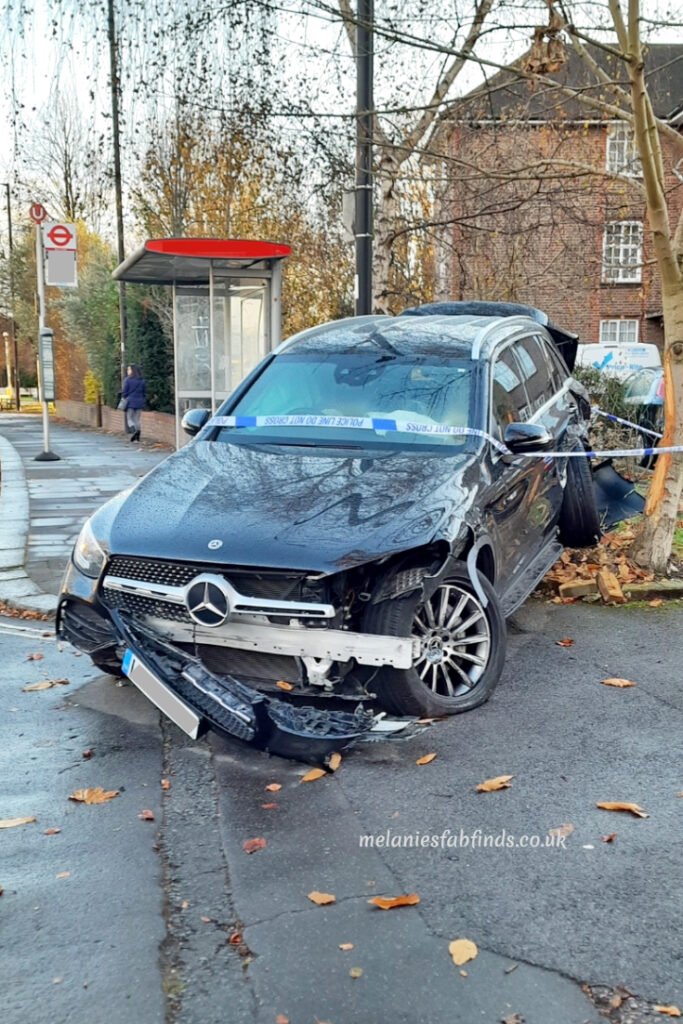
Understand your rights regarding car accident compensation if an incident occurs.
Preparation restores a sense of control, which directly reduces anxiety.
Pin It!
How Rain, Fog, and Storms Change the Way You Drive
Weather doesn’t just affect confidence—it physically changes how vehicles behave on the road.
Rain and Stopping Distances
Wet roads reduce tyre grip. Stopping distances can double in rainy conditions compared to dry roads. Water creates a thin barrier between tyre and surface, reducing friction.
If you fail to increase following distance, you dramatically raise collision risk.
In order to stay safe:
Reduce speed gradually.
Leave at least a four-second gap behind vehicles.
Brake gently and progressively.
Avoid sudden steering movements.
Aquaplaning Risks
Heavy rain increases the risk of aquaplaning, where tyres lose contact with the road surface entirely. When this happens, steering and braking lose effectiveness.
If your vehicle aquaplanes:
Ease off the accelerator.
Keep the steering wheel steady.
Avoid harsh braking.
Allow tyres to regain contact naturally.
Panic reactions worsen loss of control.
Fog and Reduced Visibility
Fog restricts visibility, sometimes to less than 100 metres. Drivers must rely more heavily on anticipation and hazard awareness.
Use fog lights appropriately, but switch them off when visibility improves. Excessive brightness in light mist can reflect glare and reduce clarity.
High Winds and Vehicle Stability
Strong crosswinds particularly affect vans, lorries, and high-sided vehicles. Open bridges and exposed motorways amplify wind force.
Hold the steering wheel firmly and reduce speed when gusts increase. Stay alert when overtaking large vehicles, as wind pressure shifts dramatically.
Seasonal Changes and Long-Term Driving Behaviour
Beyond single storms, seasonal patterns also shape driving habits.
Winter Driving Challenges
Winter brings:
Icy roads
Black ice
Shorter daylight hours
Lower visibility
Black ice poses one of the greatest dangers because drivers often cannot see it. Shaded rural roads, bridges, and untreated surfaces present the highest risk.
Winter preparation should include:
Checking tyre tread depth
Monitoring battery health
Keeping de-icer and screen wash topped up
Carrying emergency supplies such as blankets and torches
Summer Driving Risks
Summer may feel safer, but it introduces different hazards:
Glare from low sun angles
Increased road congestion
Driver fatigue during heatwaves
More cyclists and pedestrians
Glare reduces reaction time significantly. Keep sunglasses accessible and ensure your windscreen stays clean to minimise distortion.
Britain’s Changing Climate and What It Means for Future Journeys
The UK climate continues to shift. Wetter winters, more frequent storms, and heavier downpours are becoming common.
This change affects:
Commuting times
Insurance premiums
Infrastructure resilience
Flood risk in urban areas
Vehicle maintenance costs
Flooded roads already disrupt transport networks during heavy rainfall. Driving through floodwater damages engines and electrical systems. If you cannot judge depth, turn around. Water just 30cm deep can move a car.
Planning ahead becomes essential.
Smart Travel Planning in Unpredictable Weather
To stay prepared:
Monitor reliable weather forecasts daily.
Allow additional travel time during severe weather warnings.
Store emergency contact numbers in your phone.
Keep a power bank charged.
Plan alternative routes if flood-prone roads sit along your journey. Prepared drivers experience less stress and make fewer reactive decisions.
How Weather Affects Productivity and Work Performance
Beyond roads, weather influences workplace behaviour.
Research consistently shows that:
Bright days increase alertness and collaboration.
Overcast conditions reduce concentration.
Poor weather increases absenteeism.
Severe storms disrupt remote work through power or signal outages.
If you work from home, dark days may reduce motivation. Combat this by improving indoor lighting and maintaining structured breaks.
If you commute, weather-related stress may affect morning productivity. Building buffer time into your schedule protects both mental clarity and professional performance.
Pin It!
The Psychological Link Between Control and Safety
A recurring theme emerges: control reduces stress.
When weather feels unpredictable, people feel vulnerable. However, preparation restores psychological stability.
You cannot control British weather. But you can control:
Travel timing
Vehicle condition
Following distance
Speed
Mental readiness
This mindset shift transforms weather from a threat into a manageable variable.
Stay Aware, Stay Prepared, Stay Safe
Weather affects more than your weekend plans. It shapes mood, sleep, confidence, risk tolerance, and driving style. As Britain experiences stronger storms and heavier rainfall, understanding these connections becomes even more important.
By recognising how sunlight lifts energy, how rain lowers concentration, and how storms increase driving anxiety, you gain insight into your own behaviour. With preparation and awareness, you reduce stress and protect yourself on the road.
I hope that you have enjoyed reading my post; The Impact of Weather on Driving and Mental Health. The forecast may remain unpredictable. Your response does not have to be.
How does the weather affect your mood or driving style?
You Might Also Like:
What Car We Do Do Improve Our Mental Health
Enjoyed this Post?
Subscribe to Melanie’s Fab Finds RSS feed to see my latest posts. Posts will include recipes, reviews, etc. and as a result, you will hear about my new posts and competitions first!
Watch our fab product reviews on YouTube x
Disclaimer: This post is for informational purposes only and is not a substitute for professional medical advice. Always consult with your GP or a qualified health provider before making changes to your diet, exercise routine, or starting any internal or external treatments.

Discover more from Melanie's Fab Finds
Subscribe to get the latest posts sent to your email.
I never really thought about the weather having an affect on mood but it makes sense. I do prefer to drive when it’s sunny although the glare can sometimes be an issue. Interesting topic to consider that’s for sure.
I know what yo mean, the glare from the sun can make it so hard to see when driving at times
I feel this one deeply. It’s been so cold as of late. The weather changes so quickly and we get all the hot, sticky weather of in the summer and the bone-cracking cold of the frozen tundra in the winter.
It has but hopefully it’ll settle and warm up a bit soon x