Are you tired of looking at flat, uninspired bedroom walls every single single day? Right now, thousands of homeowners are searching for ways to add character, warmth, and architectural depth into their sleeping sanctuaries. While paint trends come and go, one design choice is currently dominating search engines and capturing the imagination of interior enthusiasts across the UK: bedroom wall panelling. Here’s my I hope you enjoyed reading my post, Guide to Modern Bedroom Wall Panelling Ideas.
Adding texture to your walls is no longer just a temporary design fad. Instead, it has become the definitive way to transition a basic box room into a boutique-hotel style retreat. Whether you inhabit a characterful period property or a modern new-build, timber cladding offers an instant remedy for visual boredom. This comprehensive guide explores how you can use strategic panelling choices to completely change your bedroom aesthetics, improve your room acoustics, and ultimately boost your property value.
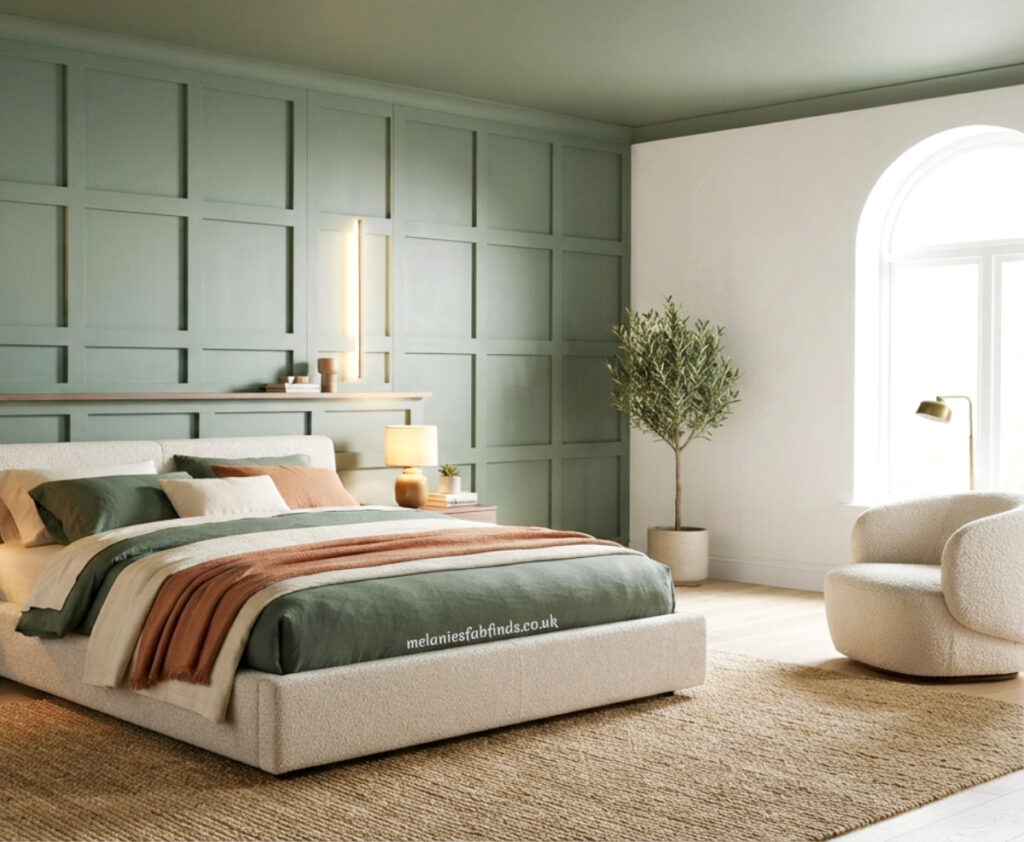
Guide to Modern Bedroom Wall Panelling Ideas
Why Bedroom Wall Panelling Has Become a Design Essential
For many years, minimalist white walls and smooth plaster finishes ruled the interior design landscape. However, modern design sensibilities have shifted dramatically towards texture, comfort, and a sense of permanent structure. Plastering over every surface can leave a bedroom feeling cold, sterile, and uninviting. Consequently, tactile surfaces have taken center stage, with timber panelling leading the charge.
Beyond the obvious aesthetic upgrades, panelling provides incredible functional benefits. It acts as an efficient layer of thermal insulation, helping to keep your sleep space warmer during chilly British winters. Furthermore, the multi-layered nature of wood panels offers excellent acoustic dampening qualities. If you suffer from noisy neighbours or street sounds, installing a feature wall behind your bed can noticeably lower ambient noise transmission, directly contributing to a better night of sleep.
Moreover, panelling allows you to mask uneven walls, hidden wiring, or minor structural imperfections without the messy, costly process of re-plastering. It serves as a beautiful camouflage that adds immediate structural value to your home.
Choosing Your Style: Popular Bedroom Wall Panelling Varieties
Before you head to the local timber merchant or order materials online, you must understand the different styles available. Each variant creates a radically different atmosphere, meaning your selection should align closely with the existing architecture of your home.
Classic Edwardian and Georgian Shaker Style
If you want to evoke a timeless, traditional elegance, Shaker-style square panelling remains an unbeatable choice. This method uses a grid system of wide vertical and horizontal wooden strips to create deep, recessed squares. It looks incredibly striking when installed across a full back wall behind the headboard. To make a small bedroom feel taller, you can scale the grid upward, drawing the eye naturally toward the ceiling.
Contemporary Slant and Slatted Wood Acoustic Panels
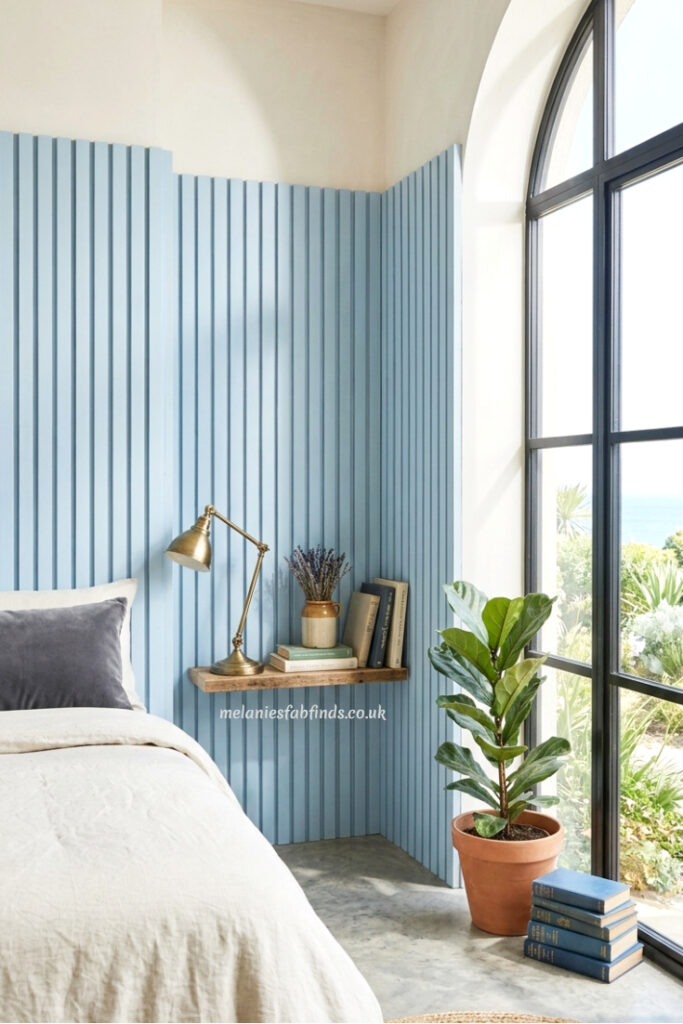
Conversely, if your taste leans toward clean lines and organic modernism, contemporary slatted wood panels are ideal. These systems feature thin, vertical strips of oak or walnut mounted onto a dark felt backing. Because the vertical lines create a strong sense of upward movement, they make low ceilings appear significantly higher. This style pairs beautifully with hidden LED strip lighting, casting soft, ambient shadows that look spectacular after dark.
Elegant Tongue and Groove or Beadboard Cladding
For a more relaxed, cottage-inspired aesthetic, tongue and groove panelling is a superb option. This technique utilizes interlocking vertical planks that run either the full height of the wall or stop at a traditional dado rail height. Beadboard variations feature a delicate ridge between the planks, adding a subtle, historic charm. It is very effective for guest bedrooms or smaller spaces where heavy architectural details might feel overwhelming.
Full Wall vs. Half-Wall Features
Where you choose to install your panelling will dictate the entire layout and feel of your bedroom. You do not necessarily have to clad every single surface to make an impact.
The Dramatic Full-Height Accent Wall
Installing panelling from the floor right up to the ceiling on a single wall creates a powerful focal point. Naturally, the wall behind your bed is the most logical choice for this treatment. By doing this, the panelling acts as an extended, grand headboard that frames your bed beautifully. When you apply a full-height feature, you eliminate the need for heavy artwork, as the wall itself becomes a structural masterpiece.
The Practical Half-Wall Dado Rail Approach
Alternatively, running your panelling precisely one-third or halfway up the wall offers brilliant practical benefits. This traditional approach protects the lower portion of your walls from the inevitable scuffs caused by bedside tables and moving furniture. Additionally, it leaves the top section of the wall free for a contrasting paint colour or a delicate wallpaper pattern. This dual-texture approach adds immense visual complexity and prevents the bedroom from feeling claustrophobic.
Pin It!
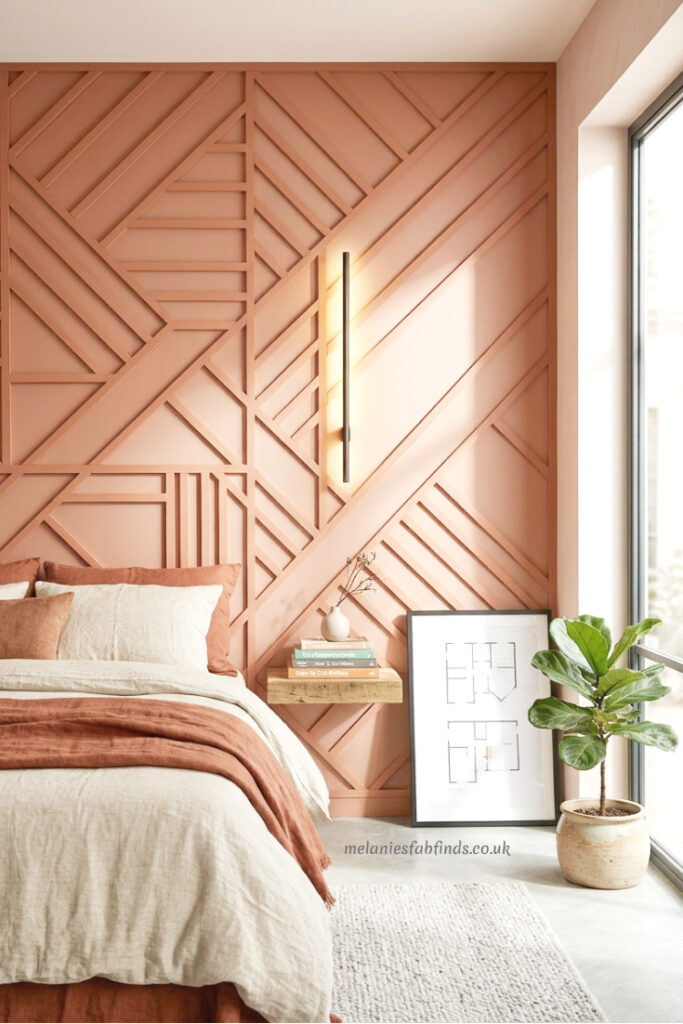
The Power of Colour Drenching Your Panelling
Once your panelling is securely installed, your choice of finish will define its final character. While natural wood tones remain highly popular for Scandinavian-inspired spaces, painting your panelling unlocks incredible design potential.
Currently, the most sophisticated design technique is colour drenching. This involves painting your panelling, the surrounding plaster, the skirting boards, and even the ceiling in the exact same hue. Instead of breaking the room up into disjointed sections, colour drenching creates a seamless, wrapping effect that cocoons the sleeper.
If you choose deep moss greens, rich terracottas, or moody midnight blues, the shadows cast by the panelling panels will gain incredible depth. For smaller bedrooms, painting the panelling in a soft, chalky off-white or biscuit tone will reflect natural daylight beautifully while still retaining that essential architectural texture.
Step-by-Step Guide to Planning Your DIY Panelling Project
If you choose to tackle this project yourself, careful preparation is absolutely vital for a professional finish. A poorly measured panelling installation will instantly look crooked and diminish the quality of your room.
-
- Measure Three Times: Calculate the total width and height of your chosen wall. Decide exactly how many panels or vertical strips you want, then factor in the specific width of the timber strips themselves to ensure perfectly equal spacing.
- Choose the Right Material: Moisture-resistant MDF (Medium-Density Fibreboard) is the absolute industry standard for painted panelling. It is incredibly stable, affordable, easy to cut, and will not warp or split over time like natural timber can.
- Fixing to the Wall: Use a high-strength grab adhesive to position your strips onto the wall. Follow this up with a lost-head nail gun to secure the pieces firmly into the plasterwork while the glue cures.
- Caulk and Fill Deliberately: The real secret to a high-end look lies in the sanding and filling. Apply flexible decorators caulk along every single joint where the wood meets the wall, and use a high-quality wood filler for nail holes. Sand completely smooth before applying your primer.
Pin It!
I hope you enjoyed reading my post, Guide to Modern Bedroom Wall Panelling Ideas.
Are you planning to install bedroom wall panelling yourself to save on trade costs, or would you prefer to hire a professional joiner to guarantee a flawless finish?
Other Posts You Might Like:
How to Style an Adult Halloween Bedroom
Renters Rights Act: What it Means for Landlords
Renters Rights Act Explained: What It Means for Tenants
Moving House? Why It’s the Perfect Time to Rethink How Your Home Really Works and Save Money
Factors to Consider Before Buying a House
Family Tech Audit: What Devices Do You Really Need?
Enjoyed this Post?
Subscribe to Melanie’s Fab Finds RSS feed to see my latest posts. Posts will include recipes, reviews, etc. and as a result, you will hear about my new posts and competitions first!
Watch our fab product reviews on YouTube x

Discover more from Melanie's Fab Finds
Subscribe to get the latest posts sent to your email.