For the one in five women in the UK living with Polycystic Ovary Syndrome (PCOS), the daily juggle of life is often compounded by a frustrating struggle with weight. Unexplained weight gain, particularly around the abdomen, and the immense difficulty in losing it can feel like a relentless, uphill battle. If you are a busy mum trying to manage a household, a career, and your health, you are not alone in asking this fundamental question.

Collaborative post
Is It Possible to Lose Weight If You Have PCOS?
The answer is a definitive yes. But, the journey is different from that for conventional weight loss plans. With up to 80% of women with PCOS also managing excess weight or obesity, and approximately 70% experiencing insulin resistance, a tailored and realistic approach is essential. For many, this means setting aside punishing diets and gruelling fitness regimes for smarter, kinder strategies that work in harmony with your body, not against it. A small, sustained weight loss of just 5-10% can dramatically improve symptoms, yet achieving it requires an alternative rulebook.
Understanding PCOS and Its Impact on Weight
At its core, PCOS is a hormonal disorder characterised by elevated levels of androgens (often referred to as ‘male’ hormones). These hormonal imbalances are the root cause of many common symptoms, including irregular periods, acne, excess hair growth, and persistent fatigue. A key feature for up to 70% of women with the condition is insulin resistance, the primary driver behind the weight loss struggle.
Insulin resistance occurs when your body’s cells do not respond effectively to insulin, the hormone responsible for regulating blood sugar. To compensate, your pancreas produces even more insulin, which in turn signals your body to store fat, especially around your midsection. This hormone imbalance makes it hard to lose weight and often leads to stubborn gain, turning weight loss into a much tougher battle. It fuels intense cravings for sugar and refined carbohydrates, which can feel overwhelming when managing a hectic schedule.
The Unique Challenge of PCOS Weight Loss
If you feel you have to work twice as hard to lose half the weight of others, science confirms you are not imagining it. Research indicates that PCOS can lower a woman’s basal metabolic rate significantly (BMR – the number of calories your body burns at rest). This means your body naturally operates on a lower-power mode, rendering standard calorie-deficit diets less effective and often leading to frustration.
Furthermore, hormonal fluctuations can intensify cravings and contribute to binge eating tendencies, creating a difficult cycle to break. Despite these obstacles, evidence clearly shows that losing just 5–10% of your body weight can be transformative. Such a modest loss can help restore regular menstrual cycles, improve fertility, reduce acne and excess hair, and significantly lower your risk of developing long-term health issues like type 2 diabetes, high cholesterol, and heart disease. The goal is not just weight loss, but also hormonal balance.
A Holistic Approach: Practical Strategies for Success
Managing PCOS related weight gain requires a multifaceted approach that considers your body’s unique hormonal needs and fits within a busy lifestyle. Experts agree that focusing on hormonal regulation is far more effective than simply counting calories.
Diet: Fuel Your Body, Don’t Fight It
For women with PCOS, what you eat is often more critical than how much you eat. The primary dietary goal should be to manage insulin levels and reduce inflammation throughout the body. A diet rich in nutrient-dense whole foods is the foundation. Prioritising protein, fibre, and healthy fats while focusing on low-glycaemic index (GI) carbohydrates is key to stabilising blood sugar, curbing cravings, and maintaining energy levels are all essential for a busy mother.
Practical Swaps for a PCOS-Friendly Diet:
Boost Protein and Fibre: Begin your day with eggs, Greek yoghurt, or a protein-rich smoothie instead of sugary cereals to promote satiety and stable energy.
Choose Complex Carbohydrates: Swap white bread, pasta, and rice for whole-grain alternatives like brown rice, quinoa, and seeded bread to prevent blood sugar spikes.
Incorporate Healthy Fats: Include sources such as avocado, nuts, seeds, and oily fish like salmon and mackerel to combat inflammation and support hormone production.
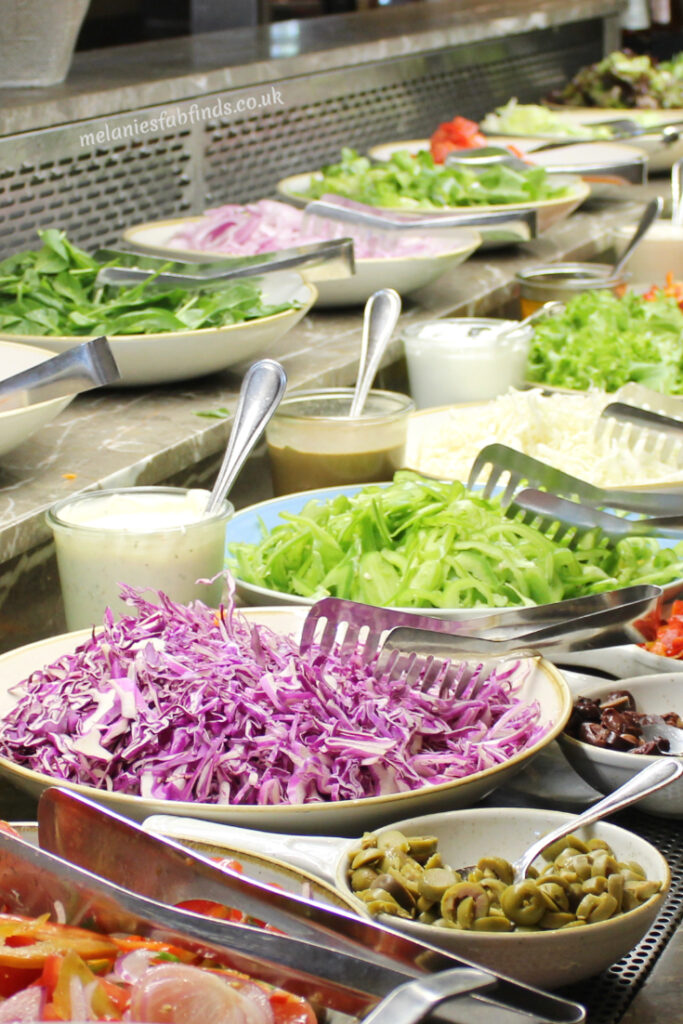
Fill Your Plate with Vegetables: Load up on non-starchy vegetables like leafy greens, broccoli, peppers, and cauliflower to increase nutrient and fibre intake without impacting blood sugar.
Consistent meal timings are also vital. Skipping meals can cause blood sugar levels to drop, leading to fatigue and powerful cravings later in the day. For women finding it difficult to manage food intake amid a hectic routine, understanding how to build satisfying meals without triggering an insulin spike is a game-changer. Many have found success by learning the principles of portion control in weight loss, a strategy that provides a clear framework for balanced eating.
Exercise: Move Smarter for Hormonal Harmony
While physical activity is crucial for PCOS management, it does not require hours spent at a gym. The objective is to enhance your body’s sensitivity to insulin. A combination of cardiovascular exercise and strength training is widely considered the most effective approach. UK health guidelines recommend at least 150 minutes of moderate-intensity activity per week.
Fitting Exercise into a Busy Schedule:
At-Home Strength Training: Bodyweight exercises such as squats, lunges, and press-ups can be completed in just 15–20 minute sessions, building muscle that improves your metabolism.
Active Daily Routines: Turn the school run into a brisk power walk or enjoy a pram-pushing walk in the park for excellent moderate-intensity cardio.
High-Intensity Interval Training (HIIT): Short, intense bursts of effort followed by brief rest periods (e.g., 20 seconds of star jumps, 10 seconds of rest) are highly effective for improving insulin sensitivity and can be done in under 20 minutes.
Stress and Sleep: The Forgotten Pillars of Weight Management
For busy mums, stress and sleep deprivation can often be unavoidable. However, chronic stress elevates cortisol levels, which can worsen insulin resistance and promote fat storage, particularly around the waist. Similarly, inadequate sleep disrupts appetite-regulating hormones, making you feel hungrier and crave high calorie foods.
Prioritising 7–9 hours of quality sleep per night and integrating stress-management techniques like mindfulness, a warm bath, or gentle yoga can directly and positively influence your weight loss efforts. This perspective is gaining wider acceptance, with many experts now advocating for a multifaceted approach to managing PCOS that places equal importance on mental and physical well-being.
When to Seek Medical Support
If lifestyle adjustments alone are not yielding results, your GP or a specialist can offer additional support. Medications are commonly prescribed to improve insulin sensitivity. Newer GLP-1 agonists have also proven effective for weight loss in women with PCOS when used under medical supervision. Although these are not miracle cures, they can be highly effective tools when combined with sustained lifestyle changes. As highlighted in discussions around the role of weight loss medications in public health, medical support can be a vital component of a comprehensive health strategy.

Conclusion: A Realistic Path to a Healthier You
Losing weight with PCOS presents unique challenges, but it is far from an impossible task. By shifting your focus from restrictive dieting to a holistic and sustainable lifestyle, you can work with your body’s specific needs. Sticking to a balanced, low-GI diet, regular exercise, prioritised sleep, effective stress management, and appropriate medical support all form the cornerstones of successful PCOS weight management.
The journey may be slower, and the scale may not always reflect your efforts, but every consistent step forward is a victory for your long-term health and well-being. By adopting a compassionate, informed, and patient approach, you can take back control, lose weight, and truly thrive with PCOS.
If you suffer from, or suspect you have PCOS make sure you seek professional help to guide your through weight loss journey.
Do you or anyone you know suffer from PCOS? Is this something that you have managed by your doctor or have you yet to seek medical help?
Other Posts You Might Like:
How to Create a Healthy Morning Routine
How Exercise Can Influence Mental Health
Health Benefits of Having Plants Indoors
Enjoyed this Post?
Subscribe to Melanie’s Fab Finds RSS feed to see my latest posts. Posts will include recipes, reviews, etc. and as a result, you will hear about my new posts and competitions first!
Watch our fab product reviews on YouTube x
Discover more from Melanie's Fab Finds
Subscribe to get the latest posts sent to your email.
I know many people with PCOS, so I’ll have to share this post with them. I know some struggle with weight, and you have a lot of fabulous tips here.
Thanks so much Amber. It can be very disheartening when you struggle to lose weight normally let alone when you have something making it harder.
I treally is an entirely different beast when you have PCOS. I had no idea how difficult it could be or how differently you had to approach losing weight.
It is a condition that causes various issues unfortunately.
This is such a great guide. I have a friend with PCOS, and she’s been struggling with her weight sooo badly.
She will need to speak with her gp who should be able to advise.
I have pcos, one thing that wasn’t an issue was weight. But even then, diet is so crucial.
Diet is very important. Weight gain can be relative as we are all different. Many I know have experienced weight gain.
I never knew the large role PCOS played in weight loss. I always skimp on sleep even though I know how important it is.
Sleep is so important for a lot of things including improving your memory. It’s something that is super important for us all x
What a great post, I have friends who have PCOS although I have been supportive I have never really understood it fully, apart from knowing what it is. This has really made me understand it a lot more
I’m glad you found the post interesting. Many don’t realise how much this can affect the body.
I didn’t know insulin resistance was so common with PCOS—your breakdown made it feel less overwhelming. The part about realistic goals really hit home for me, thanks for that.
It helps to be aware so the treatment can be tailored to requirements.
I strongly believe that you can loss weight even if you have Pcos. Thanks for reaffirming that.
It is but it can be harder to do so.
Thank you for sharing this. My niece suffers with this and she has been struggling with her weight since she was a teenager. I will share this with her.
I hope that she finds it useful. She will find that a GP should be able to help guide her best.
My cousin has PCOS, and she’s been struggling to lose weight. I will share this with her for sure.
I hope she finds the post helpful Marie x
Thank you so much for the tips Melanie. A close friend of mine has PCOS and it is a huge challenge for her to deal with weight…I just shared your article with her, I hope this helps.
It can be a real struggle and more than people that don’t have the condition will realise.
I work with someone who has Polycystic Ovary Syndrome (PCOS). Thanks for shining a light on this subject.
It can be a struggle for those that have the condition. It’s important to note, not everyone displays with the same issues.
Happy you noted that it’s not always a benefit to skip meals. Having the proper knowledge for this kind of a situation is worth its weight in gold.
It does help to know what can help most.
I Suffer with PCOS it is possible but slow and steady is the best approach
Taking things slowly can really help make a difference. I’m glad you have been able to manage it Amy x
I knew a friend of mine who suffered from PCOS. I know how it may seem to lose weight and therefore I absolutely get the importance of the post.
Thanks Abida. I hope that those with the condition get to see this.
I have a family member with PCOS, and it made her gain a lot of weight. She’s had a hard time getting rid of it, too. I’m going to show this to her for sure!
I hope this helps. It can affect our mental health being stuck with weight we are struggling to shift.
Losing weight with PCOS can feel so frustrating, but reading this gave me a little hope. I liked how it focused on small changes and didn’t make it sound impossible. Just felt honest and kind—thank you for that.
I hope that the advice here is helpful. It isn’t easy when a condition affects your ability to do things.
This is good to know! I am suffering from PCOS too, and I can say that losing weight has been a struggle. Thank you for sharing these tips! I have taken note of the practical swaps you suggested.
I hope that these tips help Clarice x