Osteoporosis is a common condition that causes bones to become weak and fragile. Although it can affect anyone, it is especially prevalent in older adults, particularly postmenopausal women. Certain groups are at higher risk, including white and Asian women, individuals with low body weight, and those with health conditions such as rheumatoid arthritis, malabsorption disorders, or hormone-related issues. Long-term steroid use, smoking, excess alcohol, and a sedentary lifestyle can also significantly increase risk. The good news? Your diet can play a powerful role in preventing osteoporosis and managing it if you’ve already been diagnosed. In this post, The Best Diet for Osteoporosis, we explore the best foods for bone health, what to limit or avoid, and share a sample osteoporosis-friendly meal plan to help you get started.

The Best Diet for Osteoporosis
Best Foods for Osteoporosis
A bone healthy diet centres on the key nutrients: calcium, vitamin D, protein, magnesium, potassium, and vitamin K. These nutrients work together to strengthen bones, support bone density, and reduce the risk of fractures. Below are the top food categories to include in your daily routine.
Calcium-Rich Foods
Recommended intake: 1,000–1,200 mg/day
Calcium is the primary mineral in bones, making it essential for building and maintaining bone strength.
Great sources include:
Dairy: Milk, yogurt, cheese (hard cheeses contain especially high amounts)
Fortified foods: Calcium-fortified plant milks (almond, soy, oat, rice), cereals, tofu (especially calcium-set tofu), fortified orange juice
Leafy greens: Kale, bok choy, collard greens
(Spinach contains calcium but also oxalates, which reduce absorption.)
Canned fish with bones: Sardines, salmon, mackerel
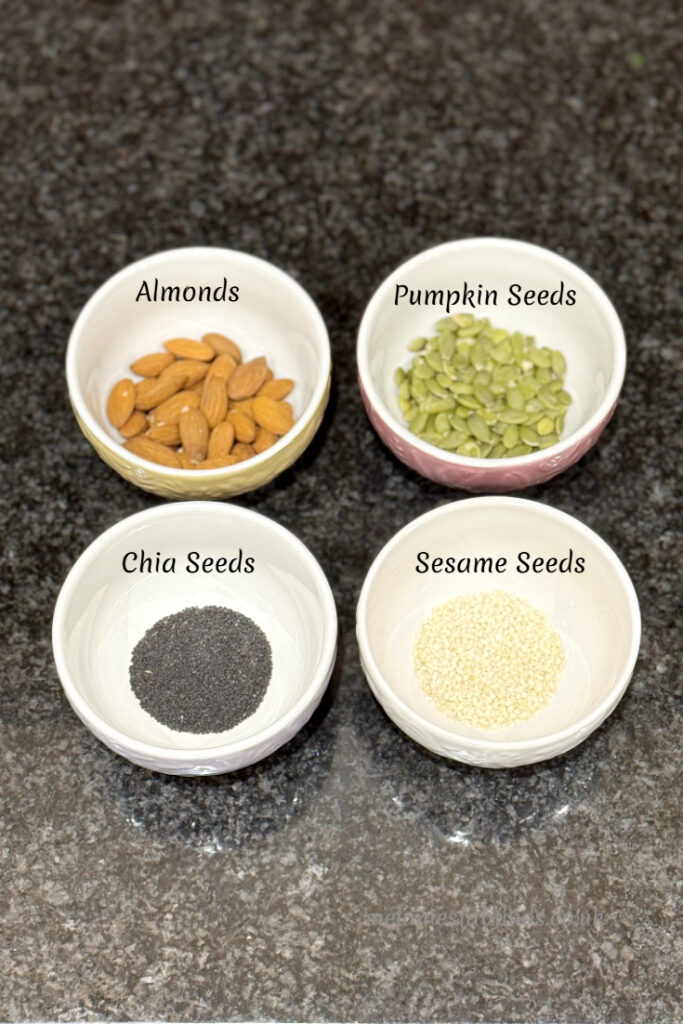
Nuts & seeds: Almonds, chia seeds, sesame, poppy, pumpkin, and sunflower seeds
Pin It!

Vitamin D-Rich Foods
Recommended intake: 800–1,000 IU/day (some people may need more based on blood levels)
Vitamin D helps the body absorb calcium, without it, your intake of calcium won’t be as effective.
Top sources include:
Fatty fish: Salmon, mackerel, tuna
Egg yolks
UV-exposed mushrooms
Fortified foods: Milk, plant milks, cereals, orange juice
Many people need a supplement, especially older adults or those with limited sun exposure.
Protein
Protein is essential for maintaining muscle mass and supporting the bone matrix.
Sources:
Lean meats, poultry, fish
Dairy products
Eggs
Legumes (lentils, beans)
Nuts and seeds
Pin It!
Magnesium, Potassium & Vitamin K
These minerals help regulate calcium, strengthen bone structure, and support bone metabolism.
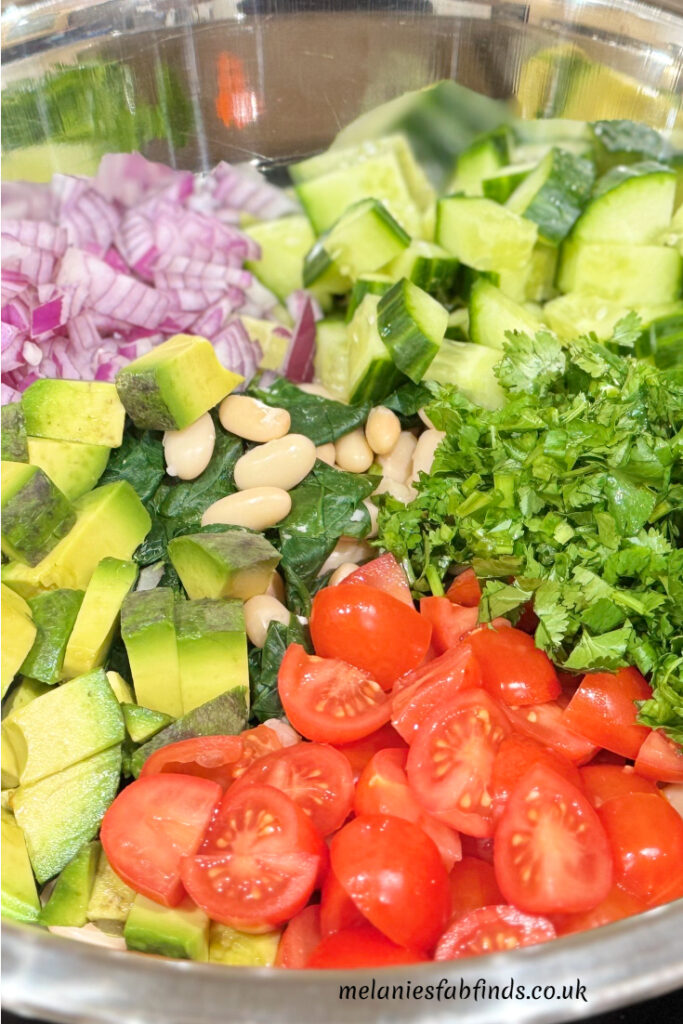
Magnesium: Nuts, seeds, legumes, whole grains, avocados
Potassium: Bananas, oranges, sweet potatoes, beans
Vitamin K: Kale, spinach, broccoli, Brussels sprouts
Phosphorus, Zinc and Boron
Phosphorus
Works with calcium to build bones but excess (from soft drinks, processed foods) can be harmful.
Sources: Meat, dairy, whole grains (avoid overconsumption of colas and processed foods)
Zinc & Boron
Support bone tissue renewal.
Sources: Whole grains, legumes, nuts, seeds
Pin It!
Foods to Limit or Avoid
Some foods and habits can worsen bone loss or interfere with calcium absorption. Moderation is key.
High-Sodium Foods
Too much salt increases calcium loss through urine.
Limit frozen meals, canned soups, processed meats
Avoid adding excess table salt
Excess Caffeine
High caffeine intake can reduce calcium absorption.
Stick to 1–2 cups of coffee per day
Add milk to your coffee to help balance the effect
Excess Alcohol
Alcohol can weaken bones and impair vitamin D metabolism.
Keep to moderate intake (1 drink/day for women, 2 for men)
Soft Drinks (especially cola)
Colas contain phosphoric acid, which may lower bone mineral density.

Sample Osteoporosis Friendly Daily Meal Plan
Here’s a simple, nutrient-packed day of eating to support bone health.
Breakfast
Greek yogurt topped with chia seeds, almonds, and berries 1 glass of fortified orange juice
Lunch
Grilled salmon salad with leafy greens, avocado, and chickpeas Whole grain roll Snack Low-fat cheese stick A banana
Dinner
Stir-fried tofu and broccoli with brown rice Glass of fortified soy milk
Optional Dessert
Fortified pudding or a fruit smoothie with almond milk
Bonus Lifestyle Tips for Strong Bones
Pair your nutrition with other bone-supporting habits:
Do weight-bearing exercises: Walking, dancing, resistance training
Avoid smoking it accelerates bone loss
Get regular bone density tests, especially if you’re postmenopausal or over 65
Ask your doctor if you need calcium or vitamin D supplements
Summary
I hope you have enjoyed reading my post The Best Diet for Osteoporosis. A diet rich in calcium, vitamin D, protein, and key minerals can make a meaningful difference in preventing osteoporosis and also supporting bone strength. Whether you’re managing osteoporosis or aiming to reduce your risk, making small, consistent dietary changes can have a long-term impact on your overall bone health.
Do you currently try to purposely include calcium or vitamin D rich foods in your diet? Which ones are your favourites?
It’s important to always speak with your doctor or a qualified health care professional when looking to treat any condition through diet or natural medicines. Although natural medicines can be effective we should not assume they do not have risks themselves and in some cases they may interact with prescribed medications.
Enjoyed this Post?
Subscribe to Melanie’s Fab Finds RSS feed to see my latest posts. Posts will include recipes, reviews, etc. and as a result, you will hear about my new posts and competitions first!
Watch our fab product reviews on YouTube x

Discover more from Melanie's Fab Finds
Subscribe to get the latest posts sent to your email.
This is such a helpful guide! I love how you break down not just the foods to eat, but also what to limit for strong bones.
Thanks Nick. It is important we eat the right foods as it makes such a difference.
Thank you for the information. As I get older i realise the importance of a good diet. I try and make sure I have a high protein diet. Drink lots of milk and take vitimin D tablets.
Having a good diet affects how we feel, look and how healthy we are so it is important to make sure we eat healthily
This is so interesting! I’d have thought of calcium and maybe protein, but the rest I’d be unsure of. You’ve broken everything down really easily here, and I love that you gave plenty of examples. Makes everything super easy to understand! This will be so helpful.
I am so glad that you found the post interesting and easy to understand. It really helps to have various examples as we all have different tastes, dietary restrictions etc.
It is amazing just how important your deit is for your health. I have recently switch to decaf tea, not found a coffee I am happy with yet but do drink more tea these days
It certainly is. We often don’t consider the impact some items can have on us.
Calcium and protein are key inclusions in any diet, especially for those with osteoporosis. I like how you’ve included meal ideas to achieve this kind of diet too.
Thanks Lucy. They certainly are. It can help to have some kind of meal plan set out to give basic guidance.
This is very very helpful, thank you so much. I definitely need to pay more attention to my diet especially since a lot of the food that you mentioned could be easily added to my meal plan.
That’s great to hear. They are all good to have in our diet generally anyway x
Calcium is something I don’t consciously have a lot of but it is something I’d like to have more of. Useful to know what some foods have extra nutrients x
It sure is. Getting nutrients through our foods is far better than taking it through supplements.
Thank you very much for educating me about the best diet for Osteoporosis. I learned a lot.
I’m glad you liked the post Hari x
I had never heard of Osteoporosis, but it’s great to hear about these foods that are good for your bone health. Thank you for sharing your suggestions.
I am glad you found the post interesting x