Bringing a dog up in a family home environment can be considered as a pretty simple task. With so many hands on offer, you’d think that the dog would feel looked after around the clock. Even so, within the family home and all the hustle and bustle within it especially if you have a few children added to the equation it can sometimes overload the senses. Most dogs revel in this constant action but some may start showing signs of anxiety. If you think that your dog may be suffering from anxiety here are the signs to look out for.
How To Care For A Dog Suffering From Anxiety
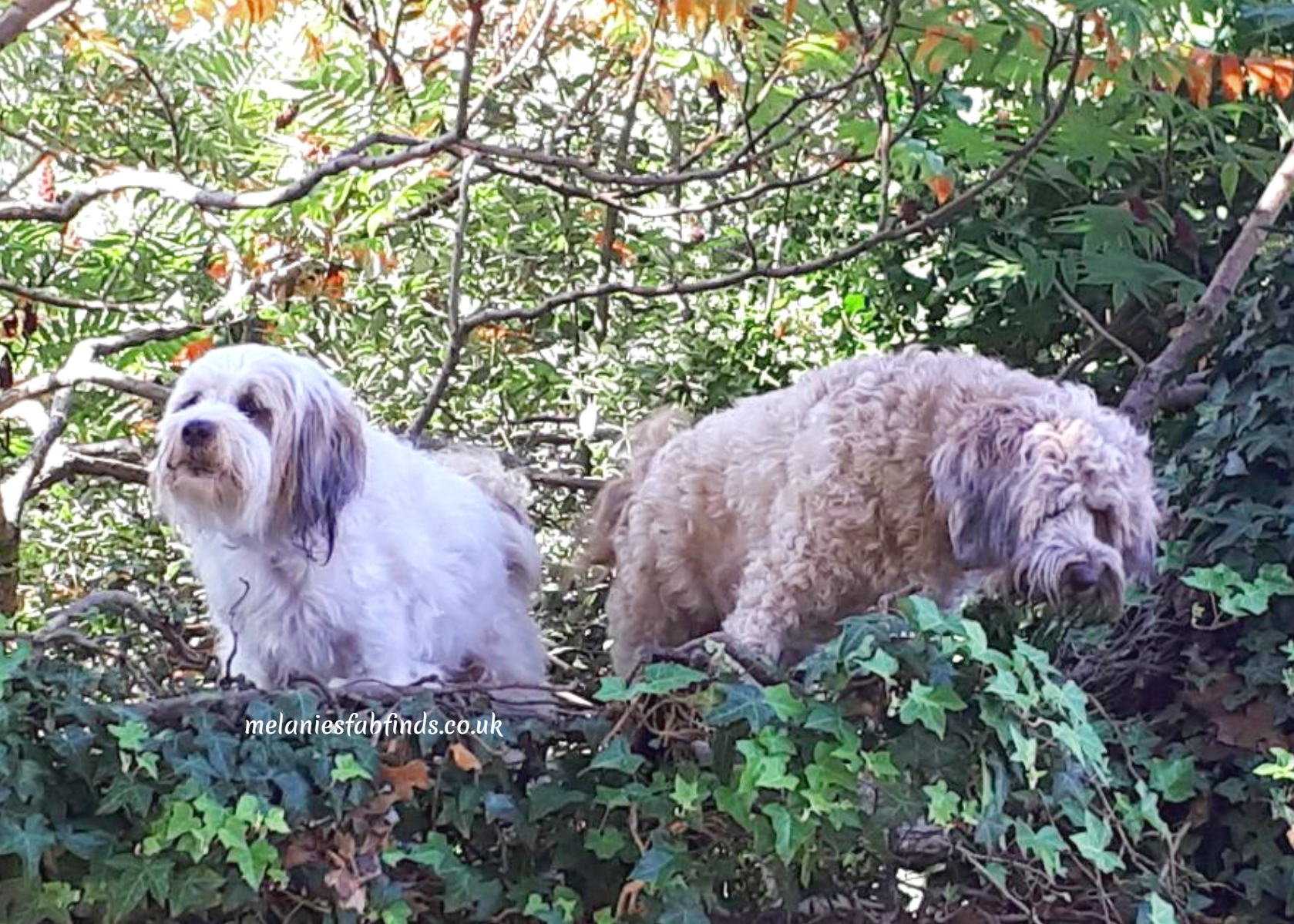
Coping with Anxiety and What Symptoms to Look For
Symptoms of an anxious dog can be excessive drooling, panic attacks, barking continuously, whining when left alone and gnawing at the household items and furniture. To help soothe your dog and help them through their nervousness thus preventing these symptoms will take time, patience and a willingness to look at the triggers that are setting off this behaviour. Just like a new born baby a puppy needs a delicate hand and you will need advanced understanding of their health needs for them to grow up without any long-lasting impairments. Like humans dog also need emotional support, regular feeding, playtime and many other things to remain healthy.
Training can help but you need to put time and effort into this. Just think of your dog as a young child they both have similar needs and by training dogs they get an idea of what is expected and get a routine developed which any parent (whether you have a child or pet) knows will work wonders.
Playing classical music has been shown to help relax dogs so make sure you make use of this little gem.
Getting enough sleep
Sleeping is going to become a chore if your dog keeps barking at all hours of the night. The solution is not as easy as putting a muzzle on them. Excessive whining is also an issue, and many experts say this could be down to the fact that your dog suffers from separation anxiety. At night, like with children, a dog might start to panic and therefore cry out for help or support.
Creating the right mood to sleep is essential to calm your furry friend down. Items like a leather dog pillow may do the trick. Worn out fabric beds become thinner allowing the hardness of the floor to be felt through it and cause discomfort. A pillow that’s able to stand up to 20,000 rub cycles, is strong enough, yet snuggly enough to provide adequate support and softness for your dog.
Some people temporarily allow a new pet to sleep in their room to help soothe their nerves and give support to them during the night. Be prepared to wake up in the middle of the night to address any concerns they have, or take them to the bathroom outside due to nervous bowel syndrome. It’s advised to have your pet sleep separately from you. If you do, pop an old piece of your clothing that you no longer use with your scent into their bed. This can be comforting and reassuring to your pet.

Causes of Escalated Stress in Dogs
Erratic and unwarranted behaviour can be a troubling sight to witness. This is brought on by worry and sudden change of tone of an environment. Anxiety can be caused by multiple reasons.
Dogs that have been socially deprived whilst young may become habitually fearful.
They may be physically weak and fear harm may come to them. You’ll spot this type of behaviour when you lift your hand over them in a manner to give comfort or petting. If the dog flinches, cowers, whines or growls this indicates stress and is also seen in dogs that have been abused.
Dogs who have been physically abused by their previous owners may be suffering from trauma and develop trust issues. Lack of sleep will also exacerbate these symptoms and put your dog on edge. Constant reassurance here is required as with children. Where a dog sees nothing but love, affection and feels safe there will be an improvement in their behaviour.
Illness or painful conditions can also increase anxiety and phobias. Of course, if you suspect this make sure you take them straight to the vet.
Separation anxiety is often seen in dogs that have previously been abandoned.
The best treatment for many of these is simply patience, reassurance and affection.
Enjoyed this Post?
Subscribe to Melanie’s Fab Finds RSS feed to see my latest posts. Posts will include recipes, reviews etc. and as a result, you will hear about my new posts and competitions first!
Watch our fab product reviews on YouTube x

Discover more from Melanie's Fab Finds
Subscribe to get the latest posts sent to your email.
Our dog has anxiety so this was an interesting post to read. Angela
Poor thing I hope they don’t have it too badly.
My staffie would have terrible anxiety with fireworks an loud bangs, the only thing that helped was medication from the vets to calm him, but he would still be shaking and terrified bless him xxx
Medication can be used but I would only suggest it as a last resort.
We’re very lucky that our Beagle, who we got when he was 6, doesn’t have any anxieties. It’s amazing really since he was tested on as a puppy, has been in a home where he was mistreated, had a stint in Dog’s Trust, and another 2 different owners!
That is lucky it sounds like he has had an unstable home environment.
Our old dog used to suffer with anxiety after his mate unexpectedly passed away when he was left indoors on his own. We found it helped to leave the radio on so he could hear voices and give him lots of praise when we came back.
They do like to feel someone is with the as they are pack animals so are used to being surrounded by other.
This is really interesting, I had no idea that classical music could be used to help dogs feel calm x
It’s great isn’t it. Our bunnies quite like the sound of the piano playing 😉
Growing up with a Border Collie with Anxiety and she couldn’t live inside because it made her worse, so she used to sleep in the garage and we had a dog flap in the side so she could go in and out of the garden as she pleased x
Whenever we visit our local Dogs Trust I’m surprised how many of the dogs have these kinds of problems.
This post will be so helpful for those people with pets that do have some anxiety. Very resourceful and informative.
My partner and I want to get a dog but have decided not to get one yet as it wouldn’t be fair at the moment due to work commitments. The dog would end up being alone for a few hours in the day and we wouldn’t want the poor pup to go suffer with anxiety as it’s just not fair.
I had a beautiful golden retriever years ago and she suffered terribly with separation anxiety. I have heard before that classical music can help. Kaz x
This is really interesting & a tad upsetting. In all honesty I didnt know dogs could suffer from anxiety
We don’t have any pets, but I know loads of people who have really anxious dogs around bonfire night. Fireworks and dogs just don’t mix. It must be so scary for them 🙁
Louise x
The same can be said for most animals they are frightened by the loud noises. It’s best to keep them indoors at that time of year.
Oh no! Poor doggies! I hope they are doing okay now! Thank you for the info!